
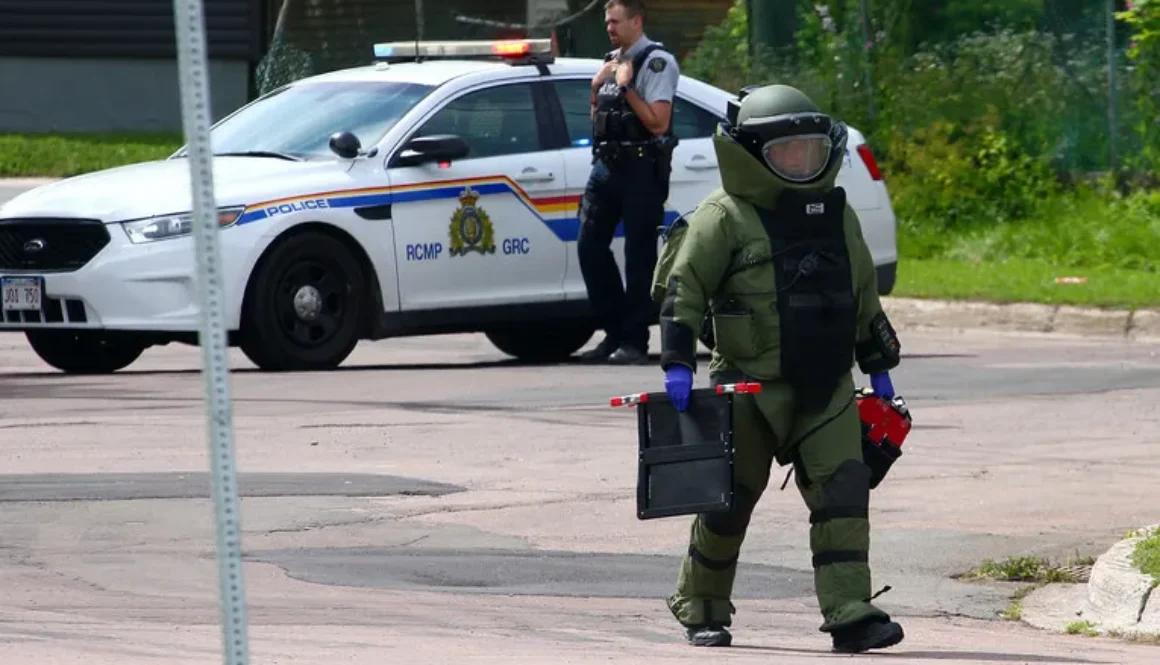
50 Years: RCMP Explosive Disposal Units — Leadership and Judgment (Part 3)
For 50 years, the RCMP’s Explosive Disposal Units (EDU) have responded to dangers most Canadians never see. This three-part series explores the people, philosophy, and evolution behind one of policing’s most exacting specializations.
Part 3 of 3explores the leadership, judgment, and quiet confidence that define modern RCMP Explosive Disposal Units through the experiences of those shaping the discipline today and carrying it into its next half-century.
–
For Staff Sergeant Anne Alary, explosives disposal work often narrows to a single moment: when uncertainty tightens and someone has to decide what happens next.
EDU work, she explained, never exists in a vacuum. It intersects with other police units, partner agencies, and overlapping jurisdictions, often under time pressure and incomplete information. In those moments, clarity matters more than speed.
“At some point,” Anne said, “somebody needs to make a decision.”
Long before joining the RCMP in 2003, Anne learned how to perform under pressure as a high-level athlete. She played varsity hockey at the University of Ottawa, went on to compete in the National Women’s Hockey League, and carried that same discipline into policing.
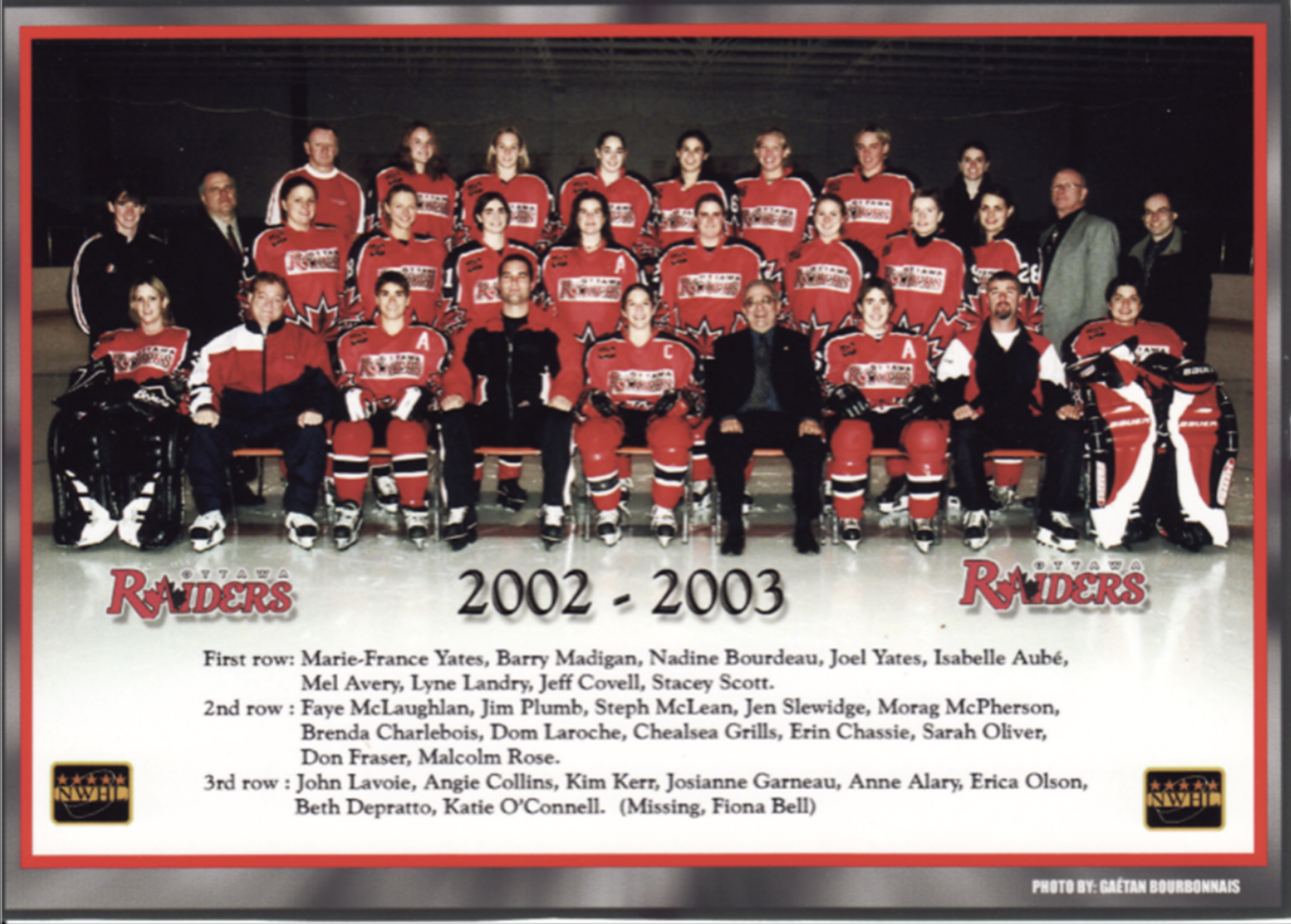
A Team Photo of the Ottawa Riders from 2002. Anne can be seen in the third row, fifth from the left.
After graduating from Depot, Anne took on a wide range of postings that sharpened her skills—from rural policing in Assiniboia, to serving in Pelican Narrows in northern Saskatchewan, to her assignment with the Musical Ride, to providing protective duty on Parliament Hill, and finally to conducting surveillance with Special Operations.
A friend and colleague of Anne’s who worked in Chemical, Biological, Radiological, and Nuclear (CBRN) operations encouraged Anne to explore a career in EDU. Anne had the opportunity to job shadow and realized this specialization fit her like a glove.
“There’s no black and white in EDU,” she said. “The whole job is grey. You change one variable, everything changes. There’s no manual.”
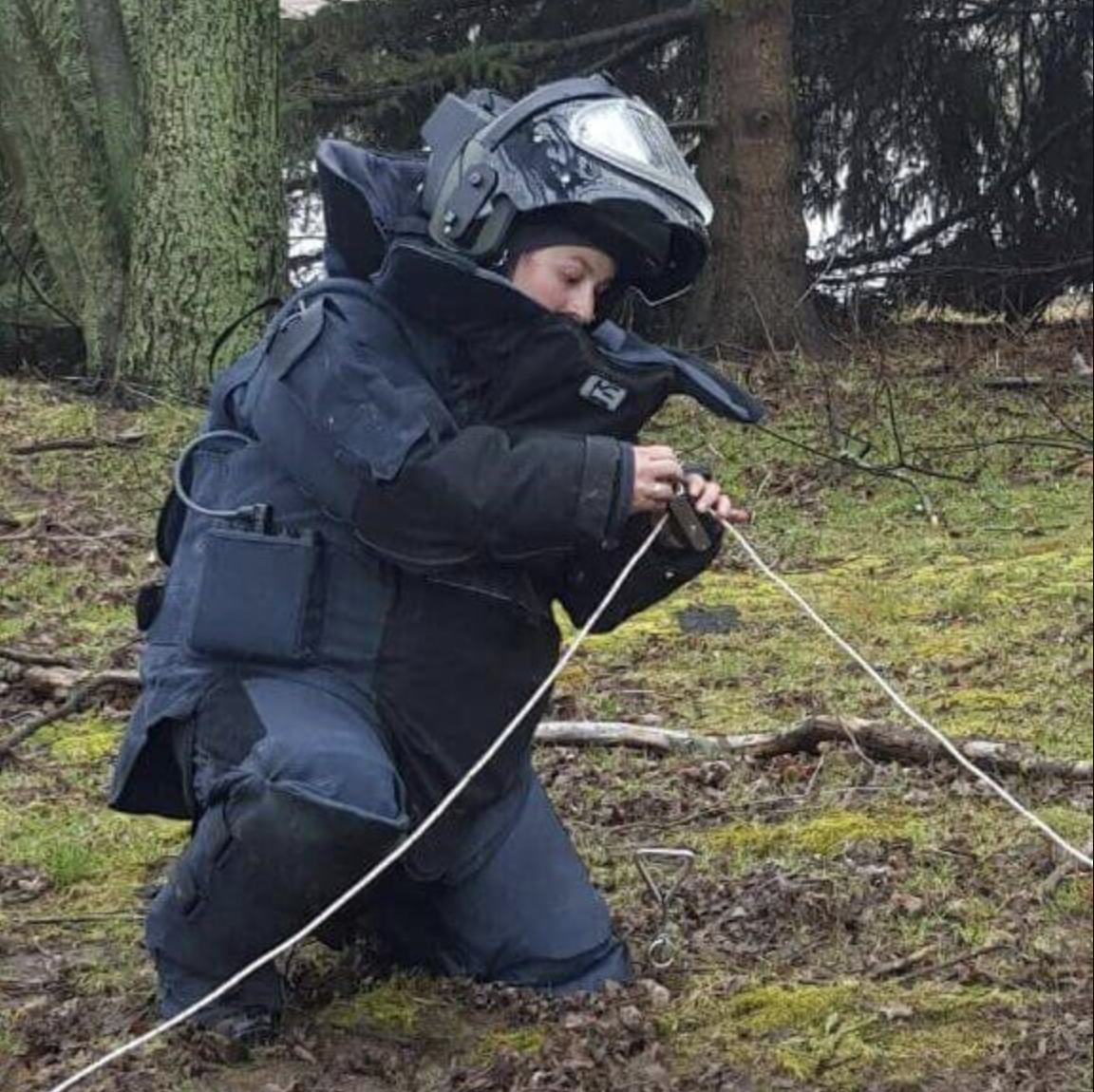
Today, Anne serves as the NCO i/c (Non-Commissioned Officer in Charge) of National Headquarters EDU and the Policy Centre in Ottawa. She is a trained bomb technician and specialized in explosive forced entry, working at the intersection of operations, policy, and national coordination.
“Some days,” she reflected, “it happens like that—and you have to be prepared to ask yourself, ‘What do I do now?’”
That emphasis on preparedness shaped her work as an instructor at the Canadian Police College, where she helped train future bomb technicians, focusing not just on procedures but on the mental discipline required when Members must rely on their judgment alone.
Anne is also one of relatively few women to have served in the RCMP’s Explosive Disposal Unit, a fact she has never positioned as defining. Within EDU, credibility is earned through performance, consistency, and trust. Her authority comes from experience, built over years of making decisions when the stakes were high and the answers were not always clear.
Her ongoing story reflects a quiet confidence not driven by visibility, but by judgment.
The Goal is Control
For Sergeant Peter Vail, explosives disposal is rarely decided at the moment a technician approaches a device. More often, the outcome is shaped well before that—through planning, assessment, and discipline developed over decades of experience.
Before entering municipal policing in New Brunswick in 1994, Peter served in the Canadian Forces Primary Reserve, where he gained early exposure to explosives. That background laid important groundwork, but it was a call several years later that sharpened his focus. In 1997, after responding to an incident involving a pipe bomb and observing the work of an explosives technician, Peter became increasingly drawn to the field.
In 2000, he was selected to attend the Canadian Police College bomb technician program, formally beginning his specialization. When he joined the RCMP in 2005, he continued that work, eventually becoming a key figure in the evolution of explosives disposal in the region.
At the time of this article, Peter has served for 12 years as the J Division Coordinator for the Provincial Explosive Disposal Unit. In that role, he has helped guide modernization efforts while maintaining continuity with the fundamentals passed down by earlier generations of technicians.
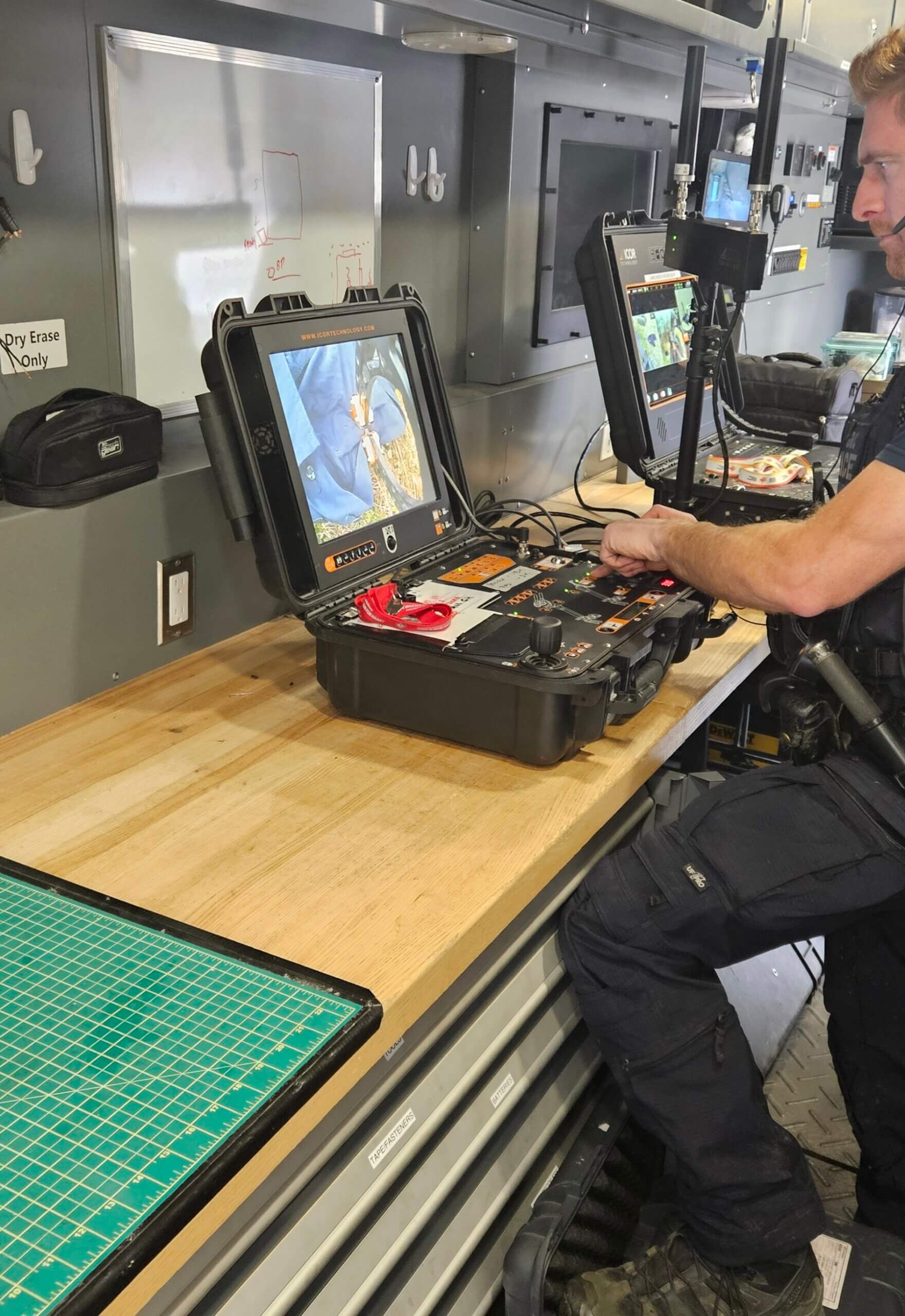
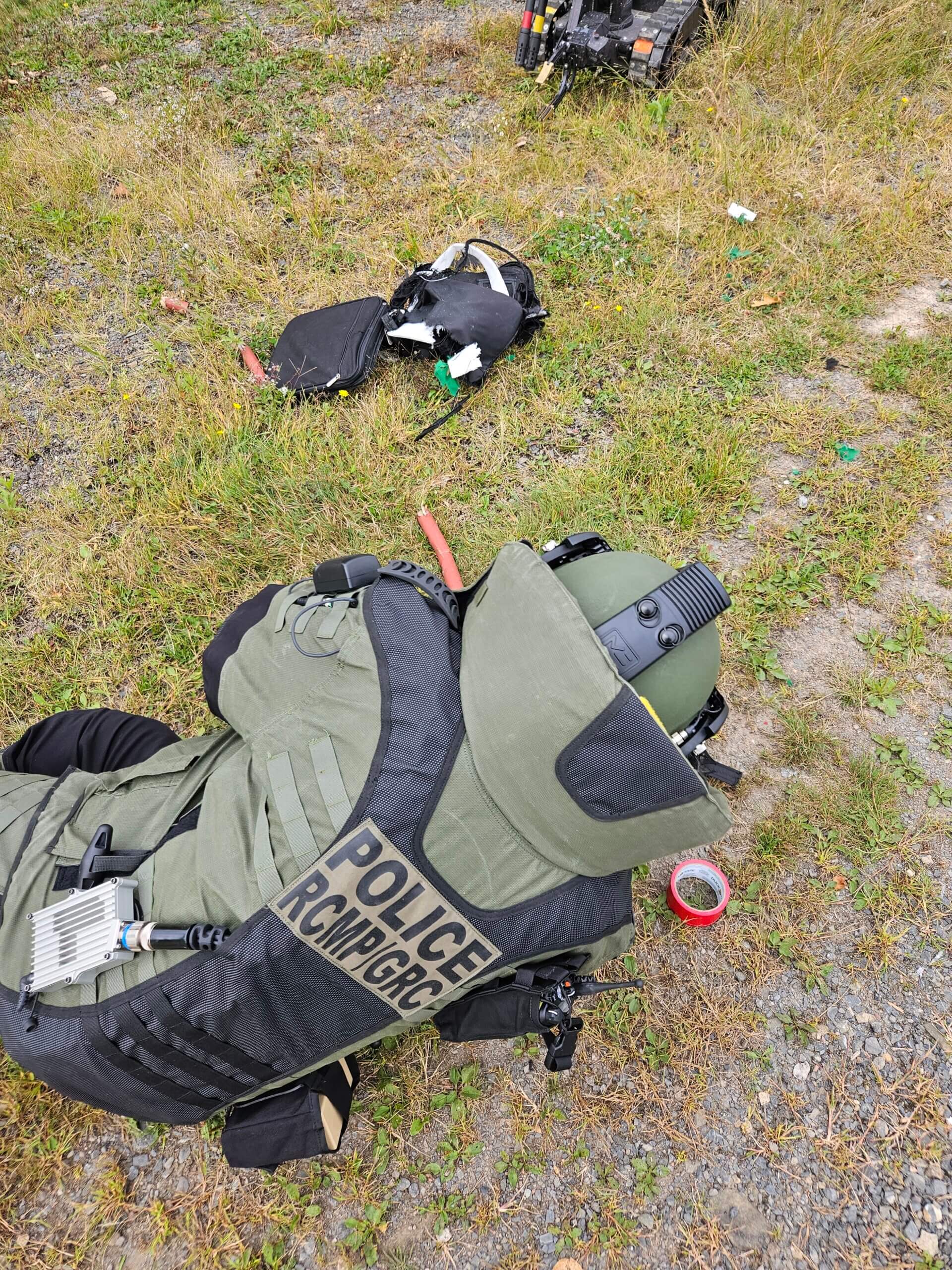
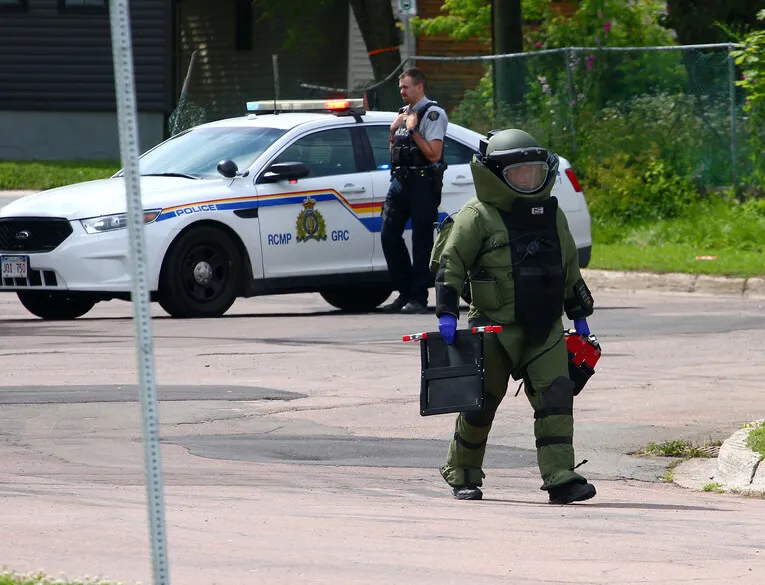
“We’re on the third or fourth generation of remotely operated vehicles,” Peter explained. He has witnessed a number of advancements over his 25 years of service. “We’re on our fourth generation of bomb suits, and we’re at least three generations in on technical equipment like X-ray equipment.”
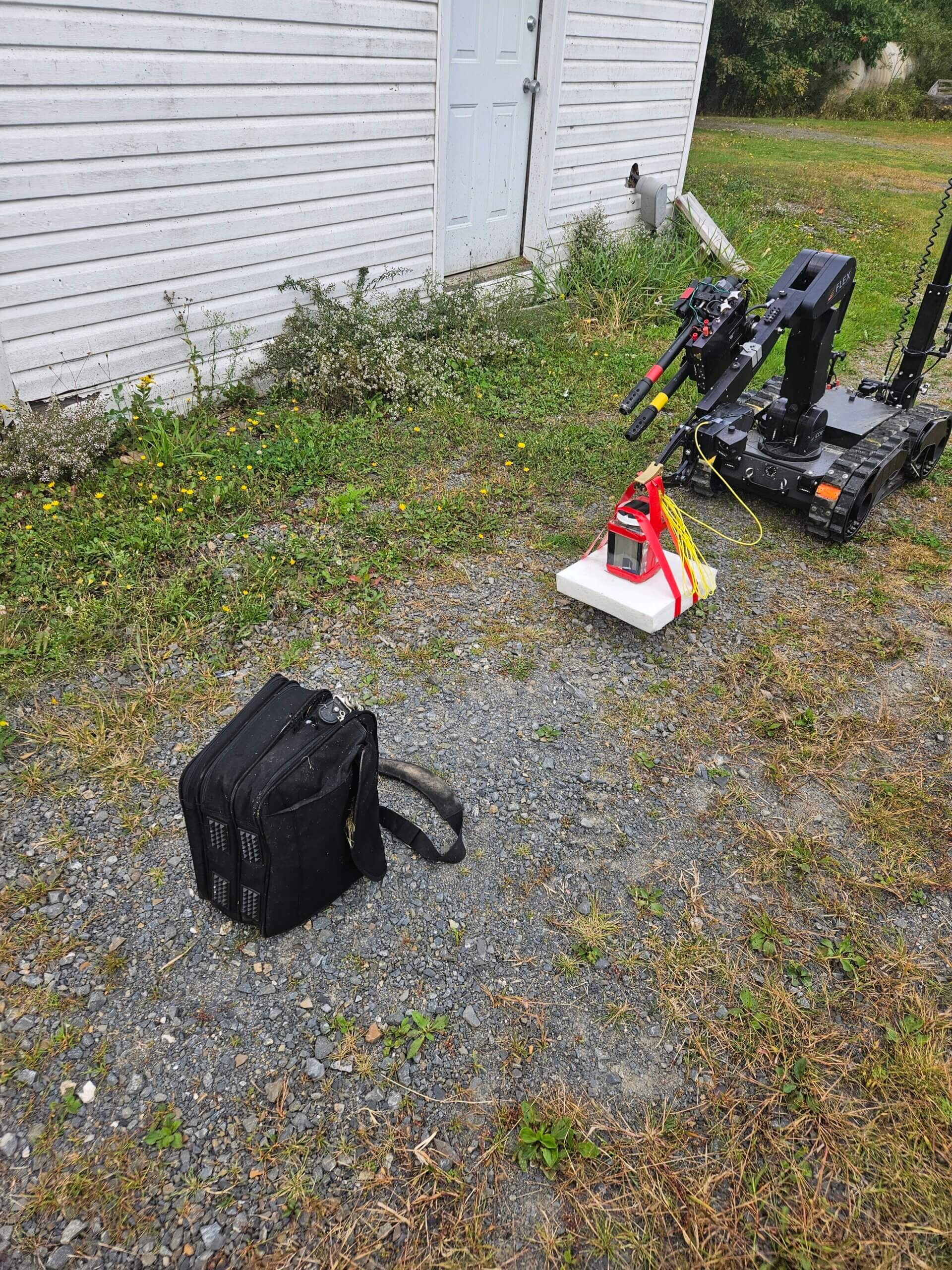
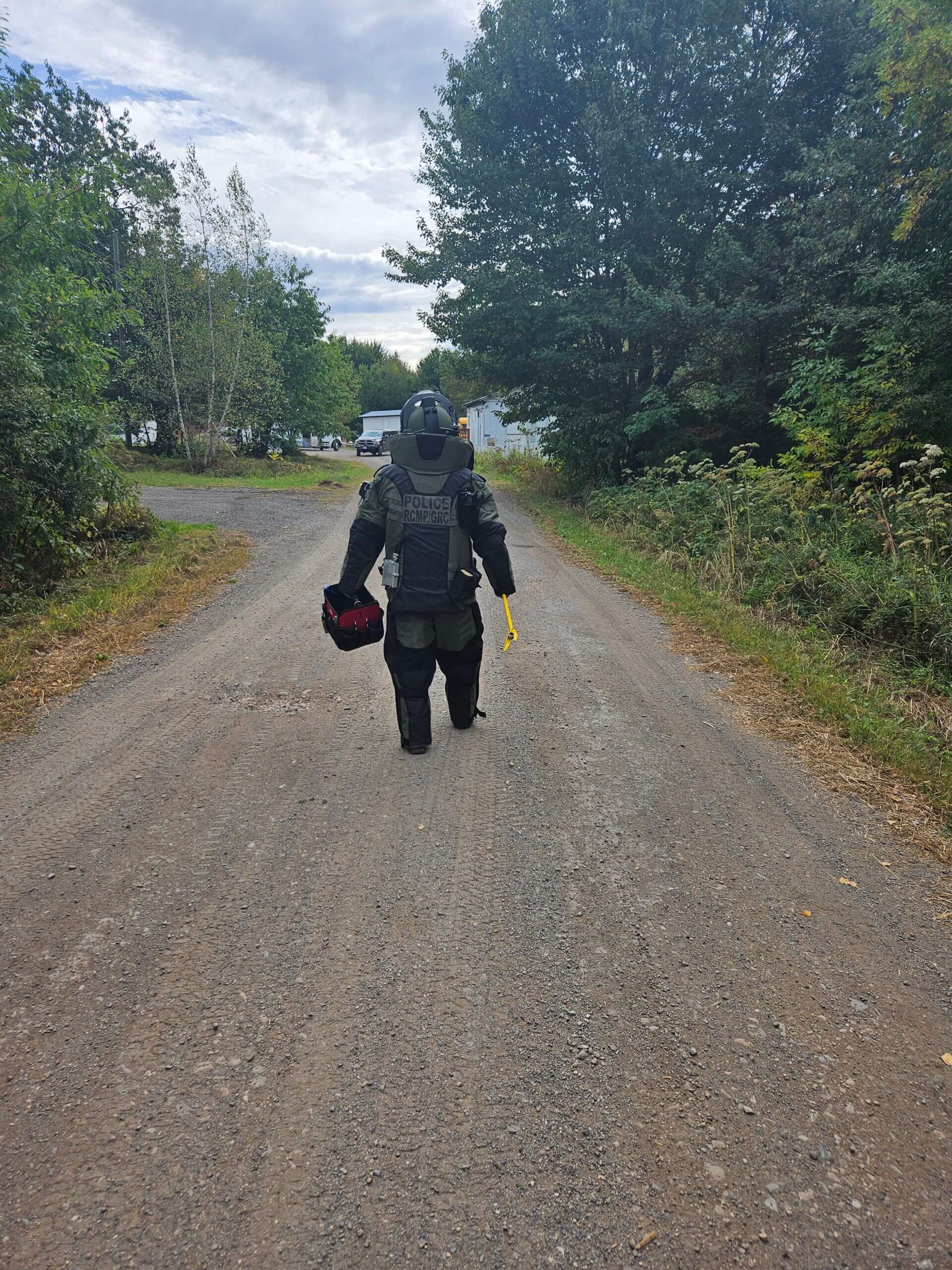
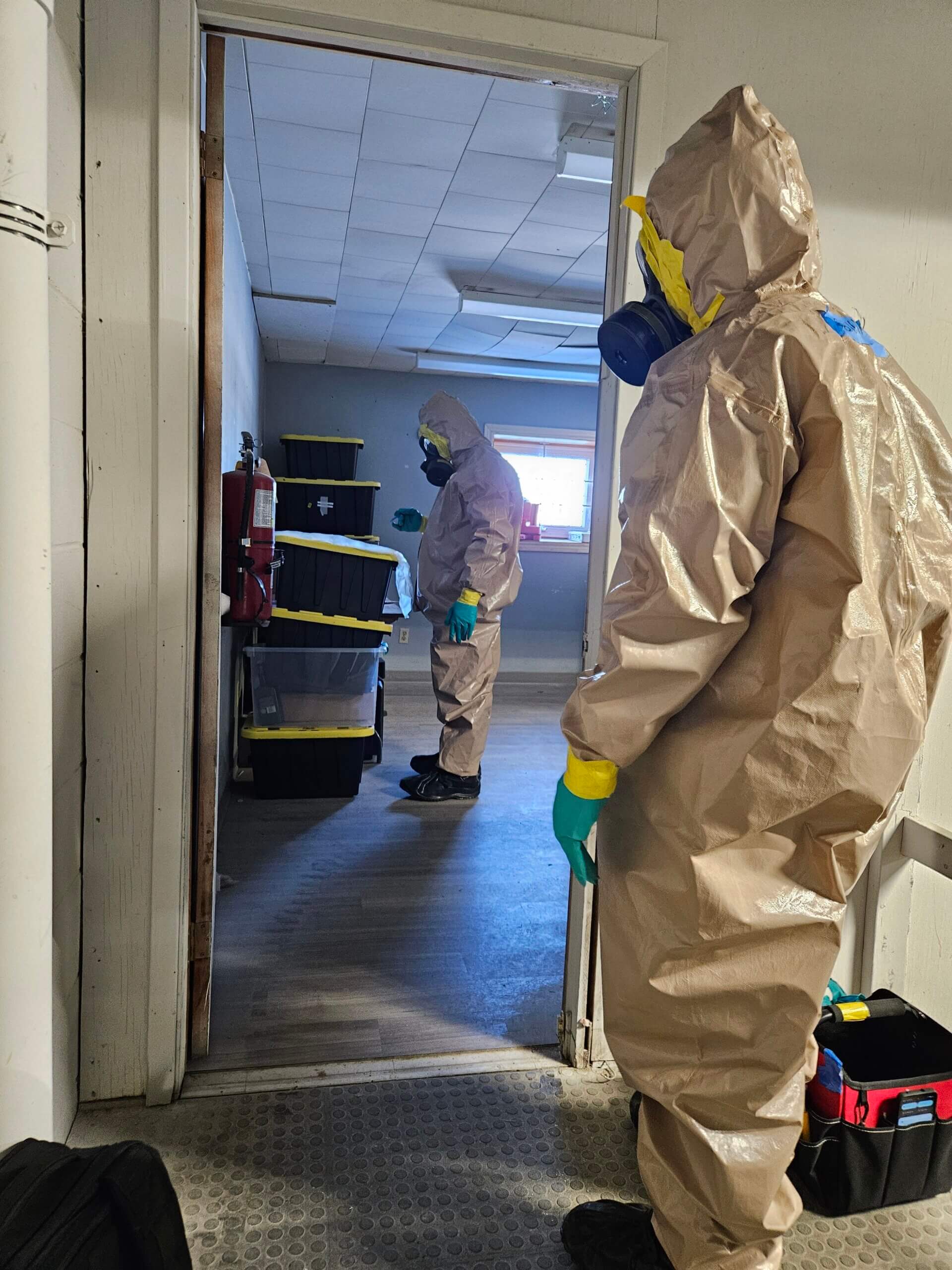
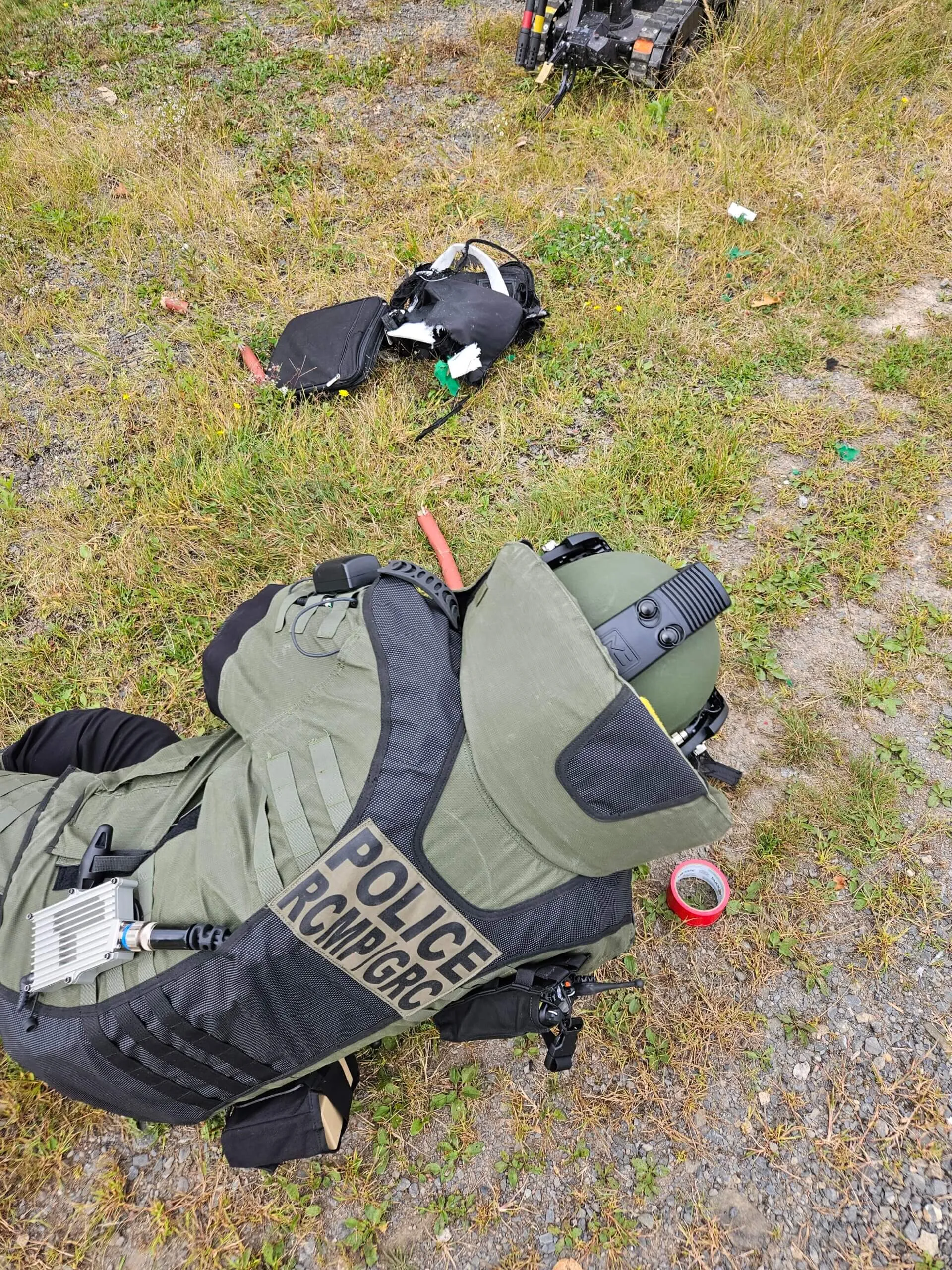
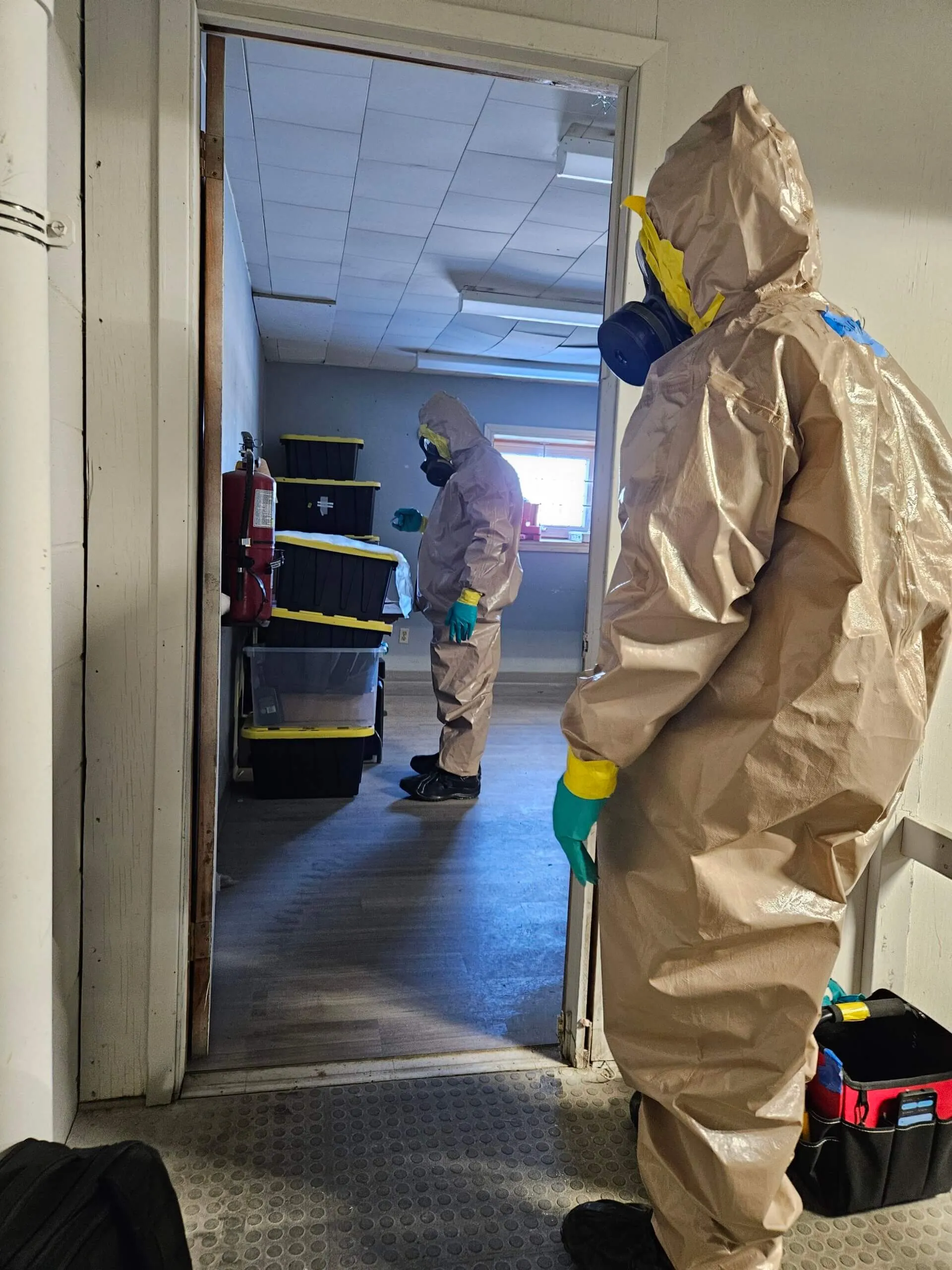
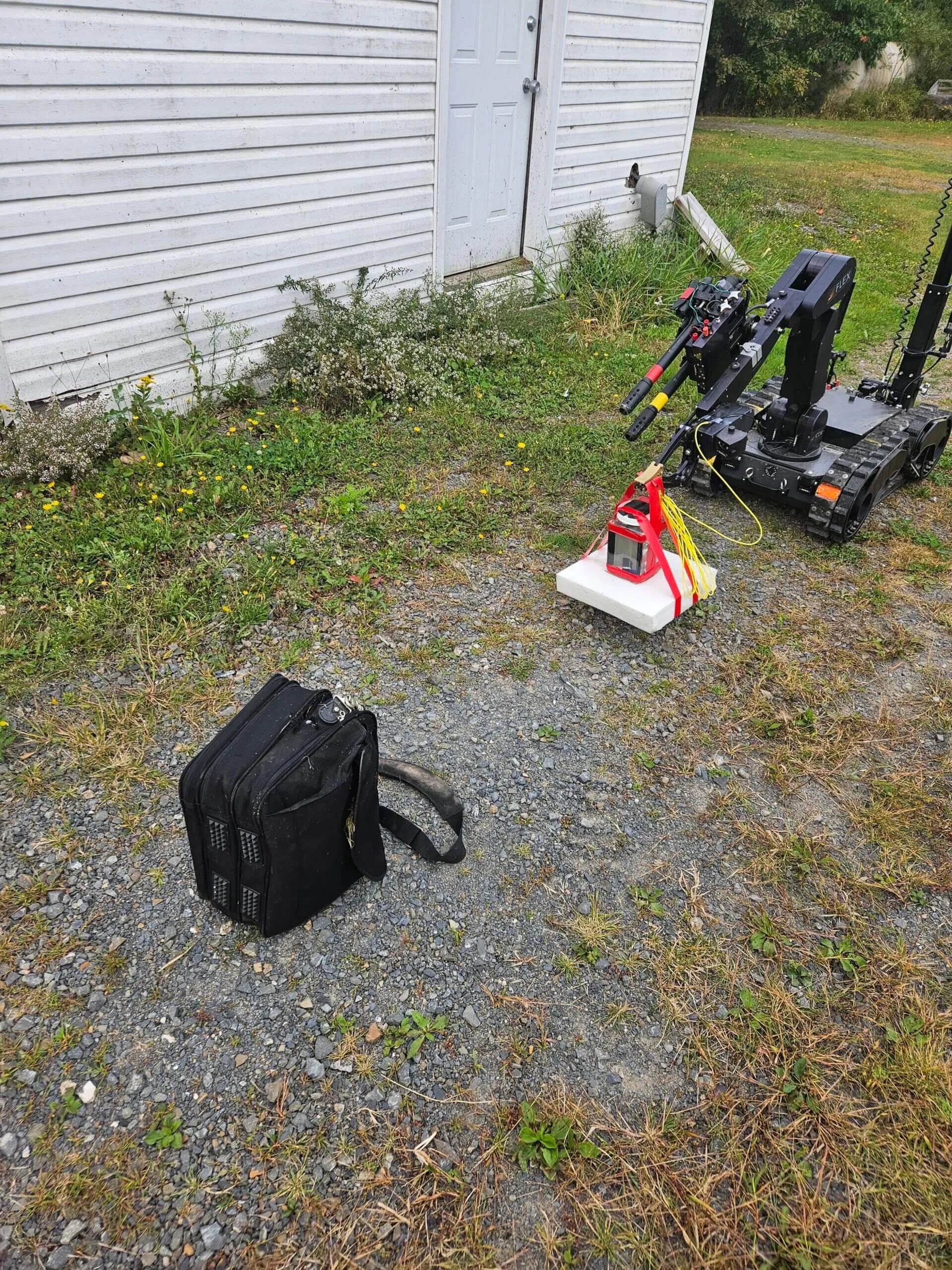
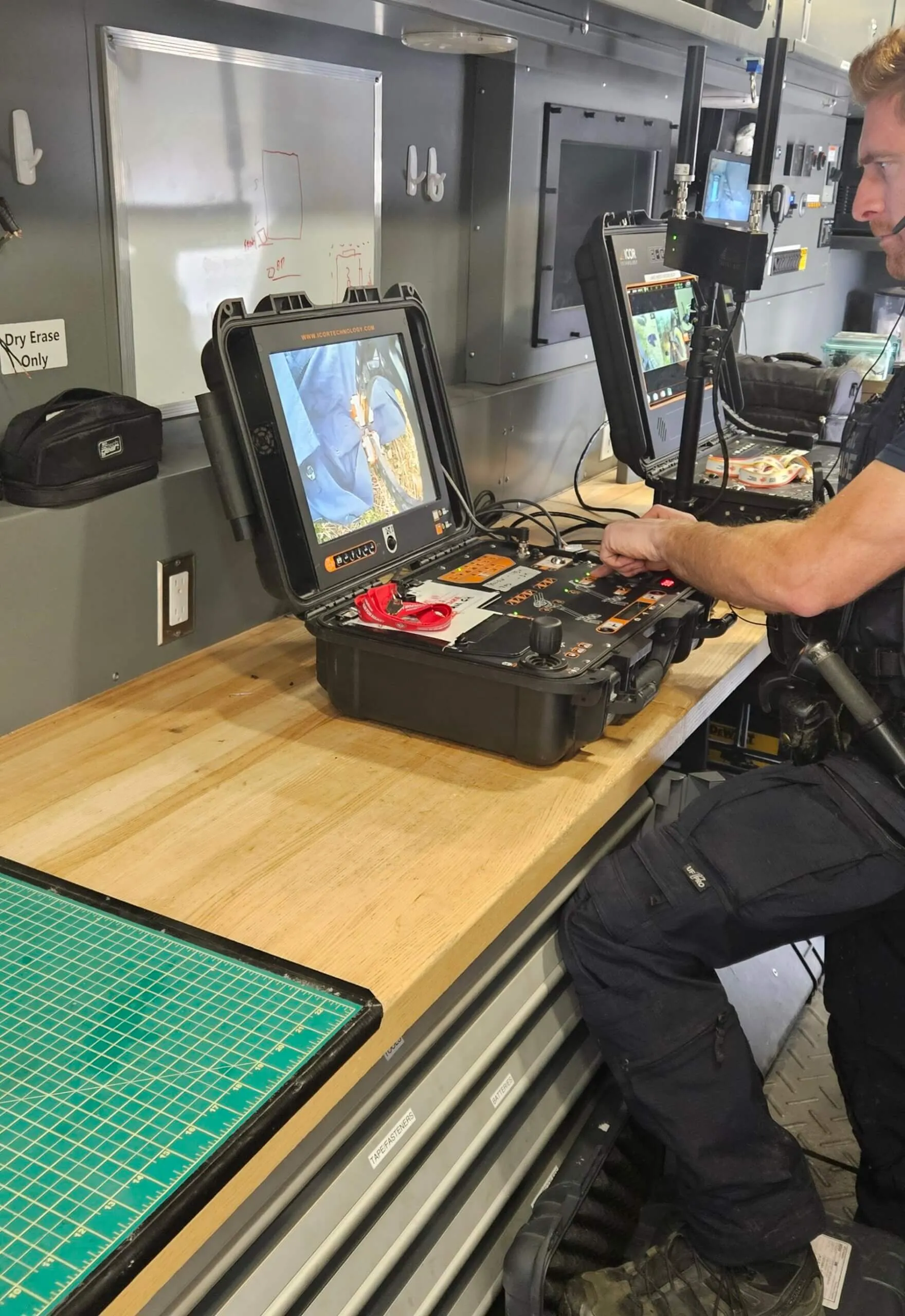

Those advances are not abstract to him; he remembers clearly what came before.
“The first robots were considered high tech at the time,” he said. “My counterpart in E Division likes to say they were a bit like a wheelchair that had been amped up, and I concur.” Operators had to remain perfectly still, making precise marks on a small screen to avoid losing alignment. Lighting was improvised. Disruptors were carefully positioned with limited visibility.
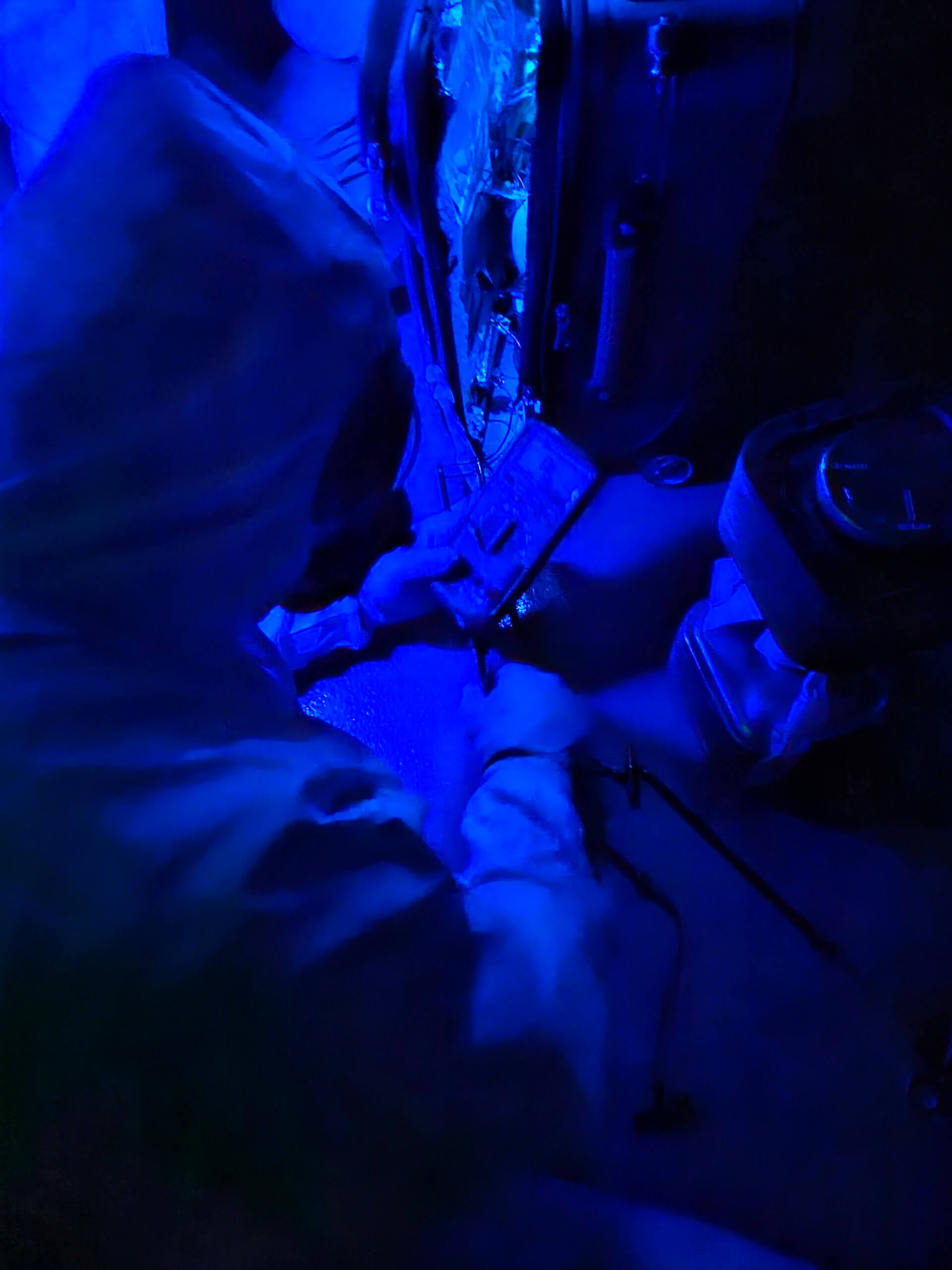
“When you were aiming a disruptor, we’d manually attach flashlights as extra lighting,” he recalled. “To see the feed, sometimes someone would stand outside twirling an antenna just to get the signal. And the bomb suits were heavy with limited visibility and ventilation.”
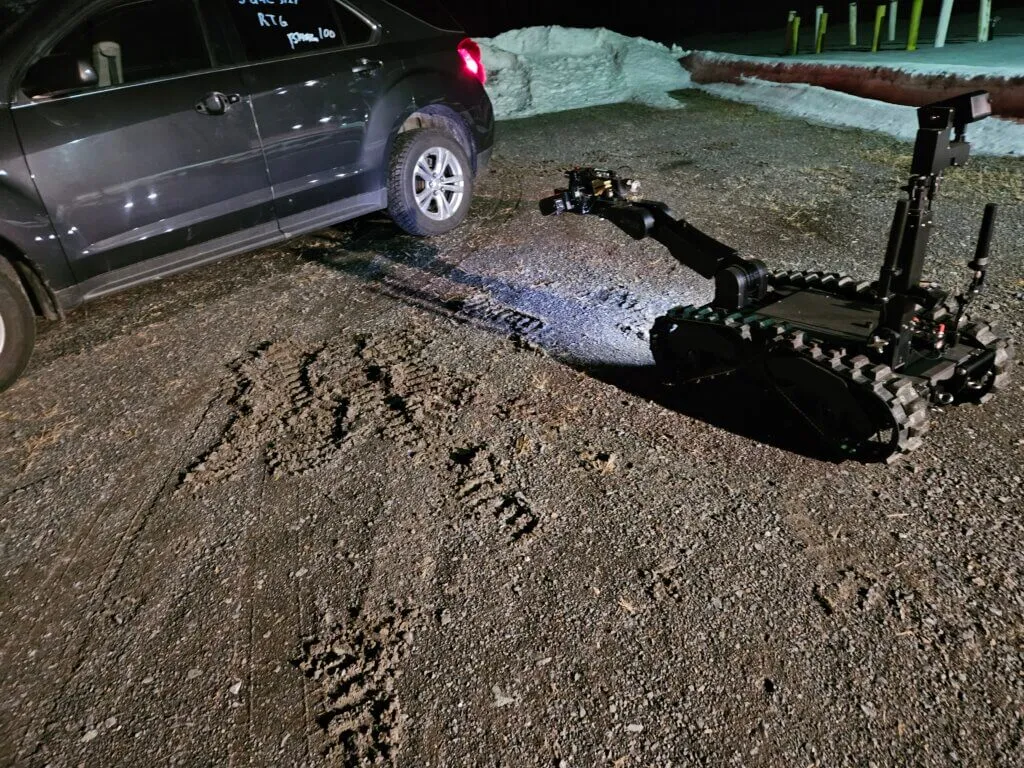
As tools and practices have evolved, so too has the nature of the work. Earlier in his career, Explosive Disposal Units were often called to rural properties where old dynamite surfaced during renovations or land clearing. Today, Peter sees a broader range of threats including criminal possession of explosives, improvised devices, and national security-related concerns.
Despite those changes, the underlying philosophy has remained constant.
“The goal is control,” he said. “Control the device. Control the scene. Control the risk.”
That emphasis on control is reflected in how success is measured. Many of Peter’s most important outcomes leave no visible trace. When an EDU operation is effective, there is no public moment to remember, no dramatic ending.
“That’s the win,” he said. “When nothing happens.”
Behind that quiet resolution is intense focus, layered decision-making, and trust built through shared experience. Peter sees himself as part of a continuum, benefiting from the lessons of retired Members who worked with heavier suits, limited technology, and fewer safeguards, and carrying a responsibility to pass that knowledge forward.
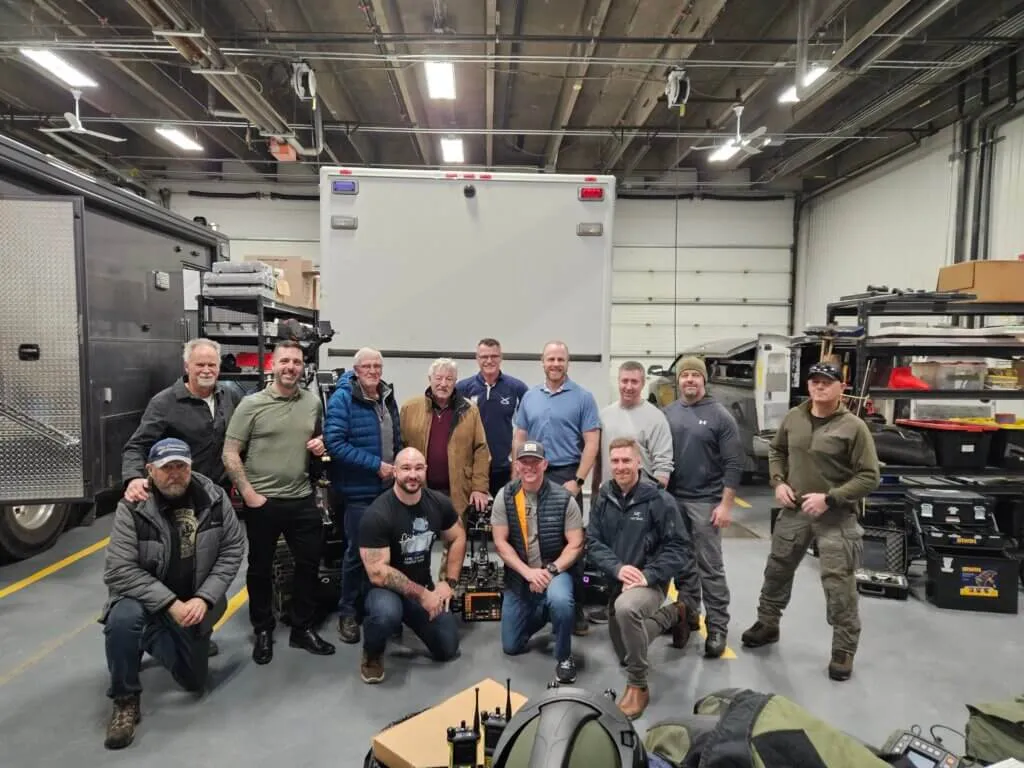
The equipment may be more advanced now, but the principle remains unchanged: patience over speed, control over force, and the understanding that in explosives disposal, the absence of catastrophe is the clearest measure of success.
The Next 50 Years
The threats are changing, the technology is advancing, and a new generation of technicians is preparing to take on a role that demands calm under pressure, analytical thinking, and near-impeccable teamwork.
What they inherit is not just equipment, it’s a culture built by the people who came before them. As EDU steps into its next half-century, it does so with a foundation built by extraordinary people who walked toward danger so others didn’t have to.
And that is a legacy worth honouring.
—
Our sincere gratitude goes to all EDU Members, past and present, whose courage and commitment have safeguarded Canadians for decades. We also thank everyone who followed this three‑part series and helped the National Police Federation mark the 50th anniversary of Explosive Disposal Units in the RCMP.

50 Years: RCMP Explosive Disposal Units — Everyone Goes Home (Part 2)
For 50 years, the RCMP’s Explosive Disposal Units (EDU) have responded to dangers most Canadians never see. This three-part series explores the people, philosophy, and evolution behind one of policing’s most exacting specializations.
Part 2 of 3 examines how the work evolved through the career of Sgt. Jamie Briggs, whose experience underscores a core EDU truth: technology creates distance, not safety—and success is measured by whether everyone goes home.
–
Before the time Sgt. Jamie Briggs joined the RCMP in 1980, he had already spent a decade with the RCMP Emergency Response Team. He recalls working collaboratively with an RCMP bomb entry expert, who encouraged him to explore the specialization with the RCMP. Jamie was sworn into the RCMP and eventually became the EDU Coordinator for H Division and supervised the Atlantic Region CBRNE Team, leading as the sole full-time technician across multiple provinces for 17 years.
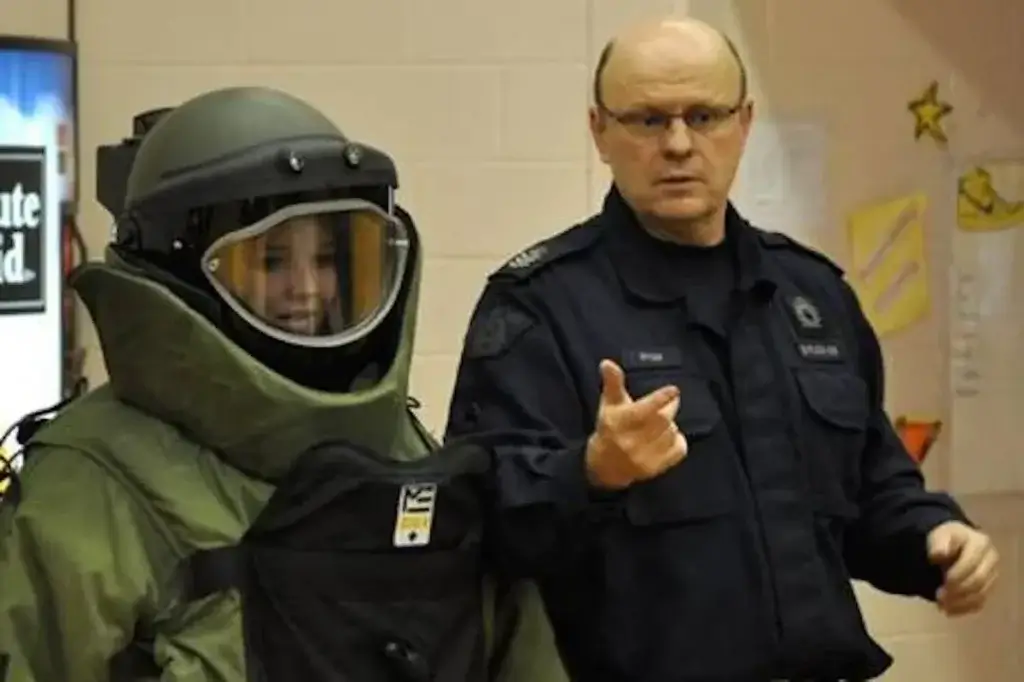
Over the years, technology transformed the field. Robotics, digital X-rays, and advanced chemical detection tools allowed EDU technicians to assess threats from a distance. Jamie embraced these innovations but remained clear-eyed about their limits.
“Technology gives you distance,” he said. “It doesn’t make the job safe.”
He remembers one barricaded-person call in Stewiacke, Nova Scotia, where a subject fired directly at an EDU robot.
“I didn’t lose a Member,” Jamie said. “I lost a camera. That’s a success.”
Not all hazards could be mitigated remotely. In 2005, during what he thought would be a routine disposal of expired marine flares in Liverpool, Nova Scotia, an explosion tore through a secure garage. Jamie survived, but the blast left permanent injuries: part of a finger gone, eardrums ruptured, shrapnel embedded in his upper body.
“If someone had been standing next to me,” he said quietly, “they wouldn’t have survived.”
He returned to work just weeks later, motivated not by bravado but by responsibility. Yet he never underestimated the toll on those at home.
“I handled it,” he said. “But my wife carried it longer.”
Through it all, Jamie’s philosophy was simple: no heroes.
“Everyone goes home,” he said. “That’s the measure of success.”
Despite the danger, Jamie reflects on the evolution of EDU with awe.
“When I started, we only had a flashlight, a revolver, and a set of handcuffs,” he said. “Now we have robotics, advanced chemical detection, digital X-ray… the capability we have now is incredible.”
But he stresses that even the most advanced tools don’t eliminate the human element. Each call demands judgment, precision, and restraint under intense pressure.
From secure detachment garages to barricaded homes, Jamie’s career demonstrates that explosives work is about more than technical skill. It’s about responsibility, trust, and preparation, knowing that every decision can mean the difference between life and death.
For Sgt. Briggs, the lessons of a lifetime are clear: training and technology are essential, but the ultimate measure of success is the same it’s always been—keeping your team and the public safe, and ensuring everyone goes home.
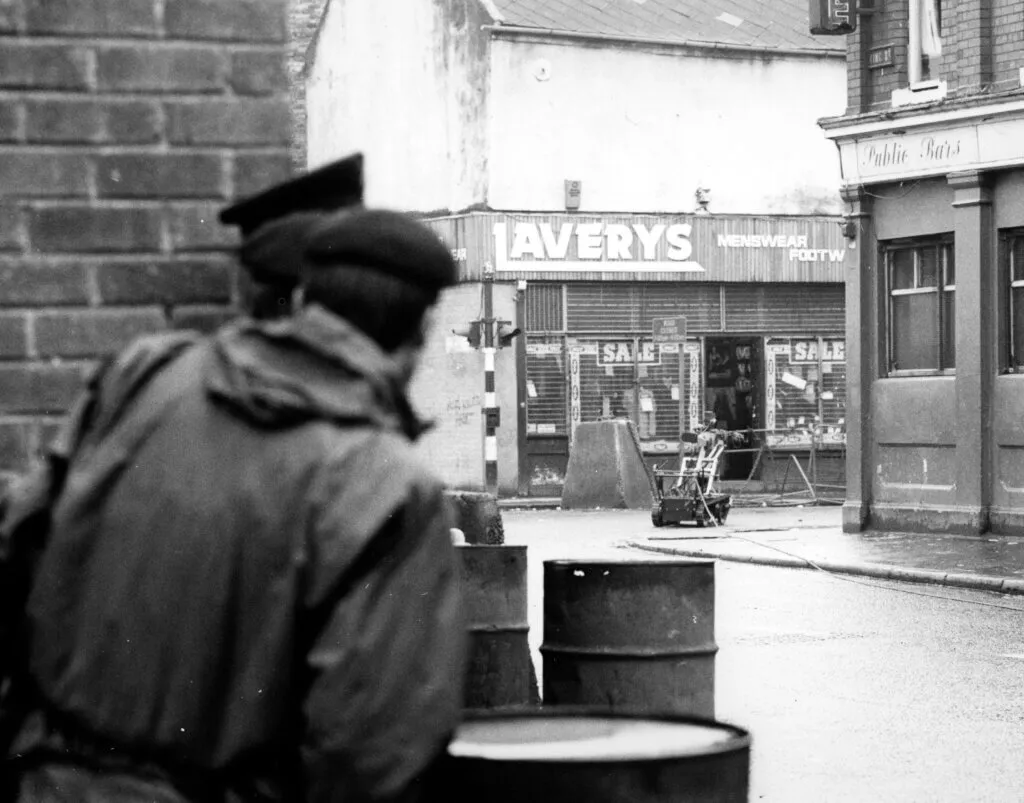
Then vs. Now: How the Work Has Transformed
1970s–80s
- Hotsticks and rope kits
- Heavy, military-style bomb suits
- No (or low-tech) robotics
- Single-shot X-ray plates
- Minimal protective standoff
- Small teams, often travelling long distances alone
Today
- Advanced, lightweight bomb suits influenced by Canadian research
- Specialized robotics capable of precise manipulation
- Digital X-ray systems with instant imaging
- Jammers, disruptors, and precision tools
- National standards for training and response
- Integration with CBRN (chemical, biological, radiological, nuclear)
- Strong interagency partnerships with military and municipal bomb squads
The difference is profound—but the heart of the work remains the same.
Canadian Ingenuity on the World Stage
One of EDU’s most significant contributions has been its influence on global bomb disposal standards.
Canadian research helped shape the design of modern bomb suits used around the world. Canadian technicians developed procedures that other nations adopted.
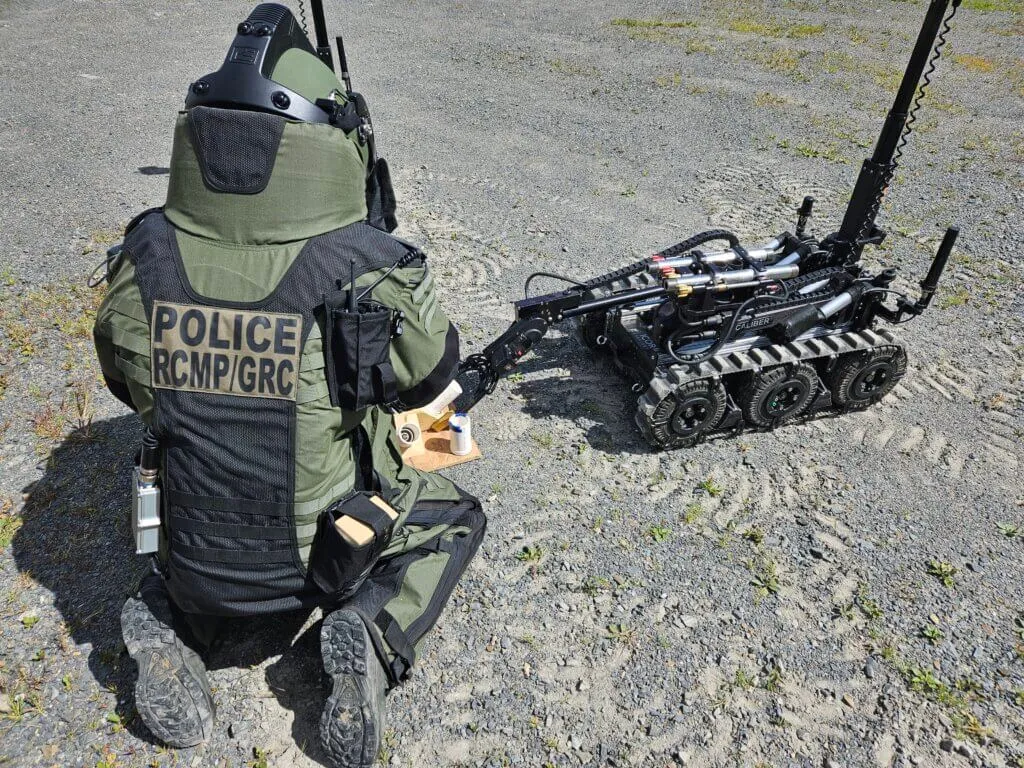
Canadian EDU units became known for professionalism, creativity, and collaboration.
Even today, international partners sometimes remind Canadian bomb techs:
“Your methods? We use those now too.”
—
As tools advanced and standards strengthened, one truth never changed: explosives disposal ultimately comes down to judgment.
In Part 3, we move into the present day—where national coordination, policy, and leadership intersect—and meet the people responsible for making the hardest calls when there are no perfect answers.

50 Years: RCMP Explosive Disposal Units — The Early Years (Part 1)
For 50 years, the RCMP’s Explosive Disposal Units (EDU) have responded to dangers most Canadians never see. This three-part series explores the people, philosophy, and evolution behind one of policing’s most exacting specializations.
Part 1 of 3 traces the origins of RCMP explosives disposal, from its early, close-quarters beginnings to the foundational training, culture, and discipline that still shape the work today.
–
Just after sunrise on a rural farm in 1970s Canada, two RCMP explosives technicians stepped through frost-locked grass toward a dilapidated building. Today’s call for service hadn’t come from a crime scene. It came from a landowner who discovered decades-old dynamite when clearing a crumbling barn.
What they carried reflected that era’s “high-tech” safety equipment: a heavy protective bomb suit, a portable shield, and long tools that offered only a few extra feet of distance from aging dynamite made more unstable by time.
In those early years, explosives disposal was close work. Safety depended on training, discipline, and the trust between Members standing only a few steps apart. If nothing happened, the outcome was invisible: no headlines, no explosions, just the quiet certainty that a risk had been removed and a family’s land made safe.
The RCMP’s Explosive Disposal Units (EDU) have responded to dangers most Canadians never see for the last half-century, their success marked by the absence of devastating disaster.
Origins: Building a Discipline
The RCMP’s Explosive Disposal Units formalized at slightly different times across Canada around the mid-1970s, as global threats evolved and police agencies began to recognize the need for specialized expertise. For example, the BC RCMP marks 1975 as the founding year of its Explosive Disposal Unit, a 50th anniversary milestone they recently commemorated. Elsewhere in the country, similar capabilities were developing in parallel.
Nationally, the RCMP relied heavily on the Canadian Forces during these formative years. Early bomb technicians trained at Canadian Forces Base Borden (CFB Borden), completing demanding military explosives courses originally designed for soldiers. The instruction was uncompromising, and the expectations were clear.
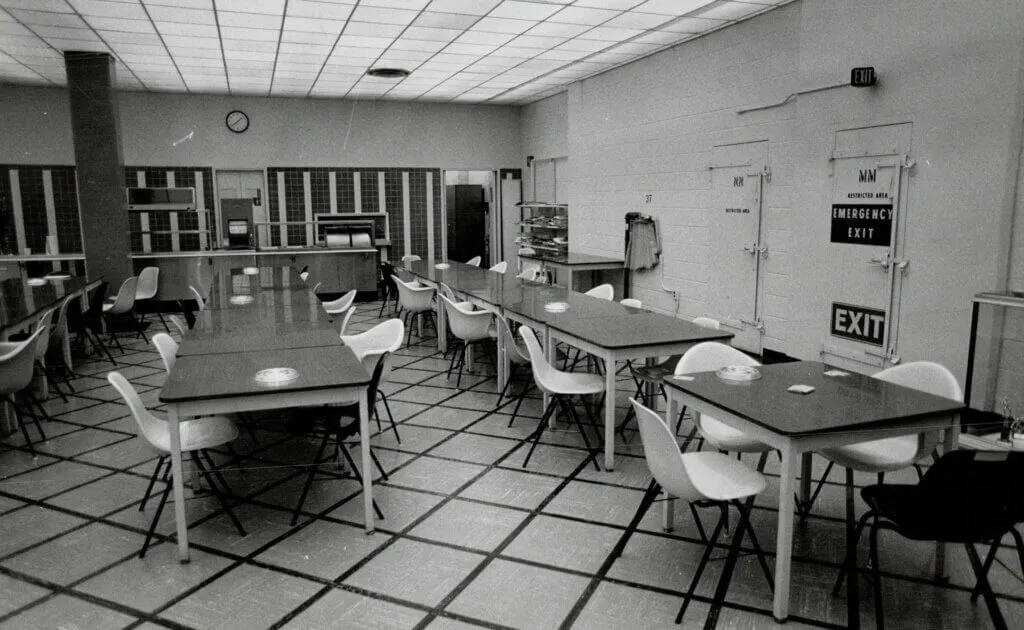
“They drilled patience into you,” recalled Sergeant Lev Jackman, Officer in Charge of New Brunswick’s (J Division) EDU from the late 1980s to his retirement in 2000. “You didn’t rush. You didn’t guess. You took your time because if you didn’t, somebody could die.”
When Lev joined the RCMP in 1967, explosives disposal was not yet a recognized specialization. After eight years with the RCMP, he was transferred to his Division’s Security System section in 1975, where bomb-threat planning formed part of his responsibilities. A year later, he was formally introduced to explosives disposal when a Special Constable trained in Explosive Ordnance Disposal arrived from the military to coordinate all EDU activity. At the time, responsibility for explosives response sat alongside federal building security and depended almost entirely on military expertise.
In 1978, Lev attended a six-week explosives course at CFB Borden, delivered entirely by military instructors. “It was a very intense course that tested the mind and body,” he said. “The instructors taught us the dangers associated with different types of explosives, including Improvised Explosive Devices (IEDs).”
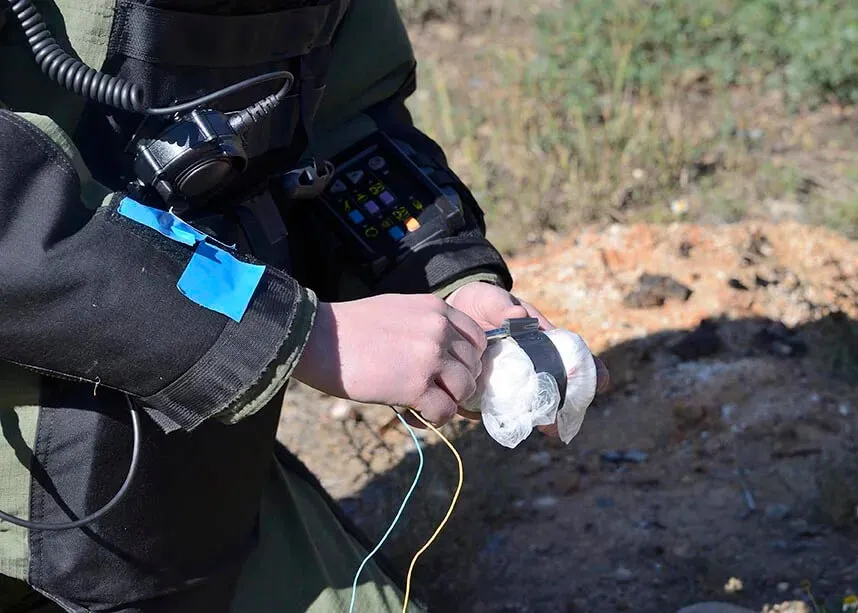
Over his years with EDU, Lev became the EDU Coordinator for all VIP visits and major events in New Brunswick, worked closely with the RCMP’s Emergency Response Team on files involving explosives, and led the safe disposal of abandoned explosives, ammo, chemicals, and criminally placed IEDs.
Looking back, he notes how distant that working reality now feels. There were no robots and no remote tools. Bomb suits were heavy and restrictive. Equipment was basic, and proximity to danger was unavoidable.
Much of the work during those early years focused on prevention rather than response. Members assisted with bomb-threat planning, assessed federal buildings, and worked behind the scenes to reduce risk before incidents ever occurred. Many calls resembled the opening scene of this article—unstable explosives discovered during renovations or land clearing.
What emerged during this period was not a unified national unit, but a discipline built incrementally, region by region, by Members willing to step into a role with no clear roadmap.
The history of RCMP Explosive Disposal Units is best understood not through equipment lists or organizational charts, but through the people who carried its responsibility. They did so quietly, often without recognition, and always with the knowledge that there was no margin for error.
Origins: Building a Discipline
By the early 1980s, explosives training had moved to the Canadian Police College (CPC), marking a turning point: the RCMP was defining explosives disposal as a policing discipline shaped by operational realities.
It was into this evolving environment that Special Constable Yves Pelletier would eventually step.
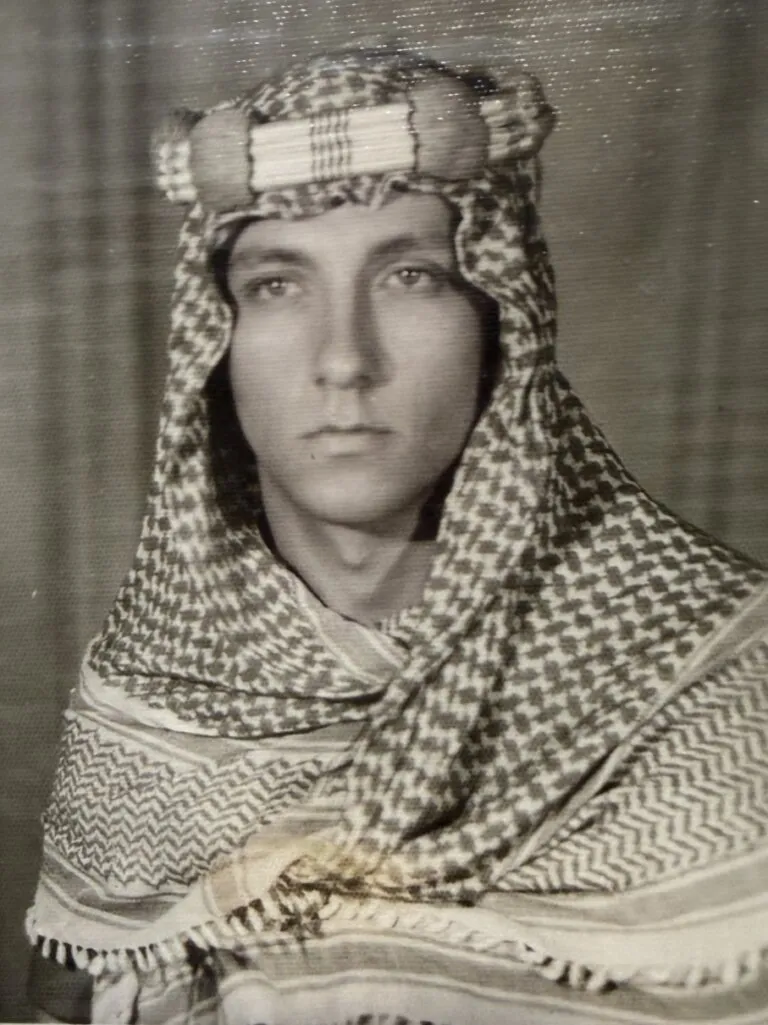
Yves had long hoped to join the RCMP but was turned away as a teenager. Determined to serve, he joined the military at just 16 in 1963. His early career placed him at pivotal moments in history, including deployment to Egypt during the Six-Day War in 1967, just days before hostilities broke out. He even recalls driving through machine-gun fire to retrieve critical documents for the United Nations.
The RCMP’s Canadian Bomb Data Centre (CBDC) had been established in Ottawa in the late 1960s and early 1970s to collect data, provide training, and share intelligence internationally on illegal explosives and post-blast investigations. Its role became even more urgent in 1985, when agents of the Armenian Revolutionary Army attacked the Turkish Embassy in Ottawa, killing a security guard and using a homemade bomb to breach the building. In the aftermath, and to prevent future tragedies, the CBDC created 26 Special Constable positions, drawing from former and serving members of the military and various police services.
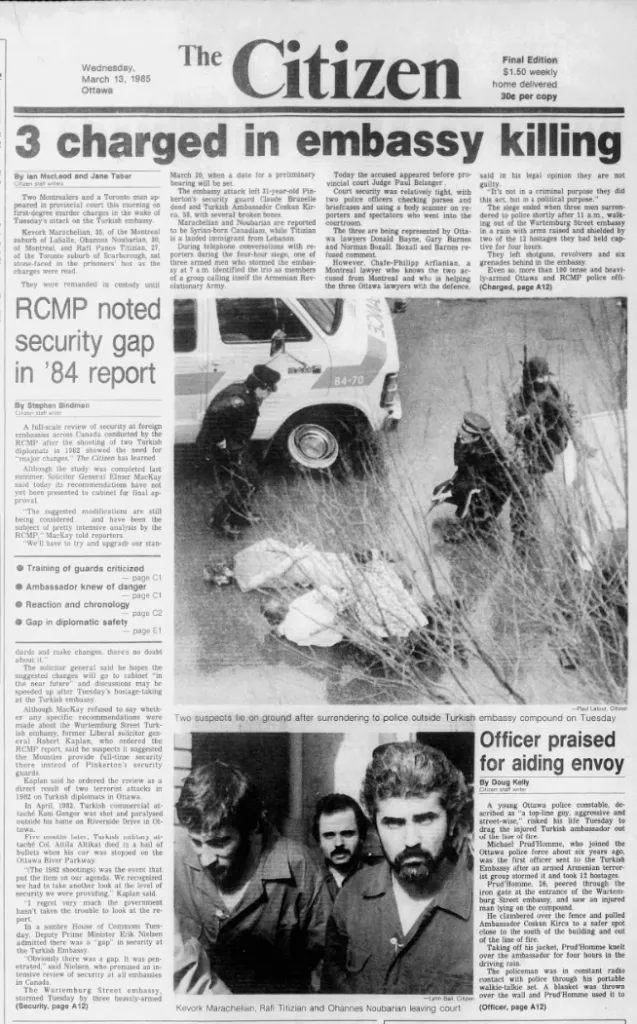
Yves was among those selected, well-qualified through his career as an Ammunition Technical Officer trained in the United Kingdom and his degree in Explosives Engineering. Sworn in with the RCMP, he also became a guest instructor at the CPC, teaching courses on booby traps and explosives recognition.
His work extended internationally. Yves travelled to Europe four times to exchange or obtain explosives from British, Israeli, French, and Swiss counterparts. He even obtained SEMTEX A (used in construction/mining) and SEMTEX H (used in military applications) directly from the factory in Semtín, Czechoslovakia, on the order of the Inspector of the Canine Training Unit. Yves distributed the SEMTEX samples and trained dog handlers across the country, enabling canine units to safely identify and handle these substances.
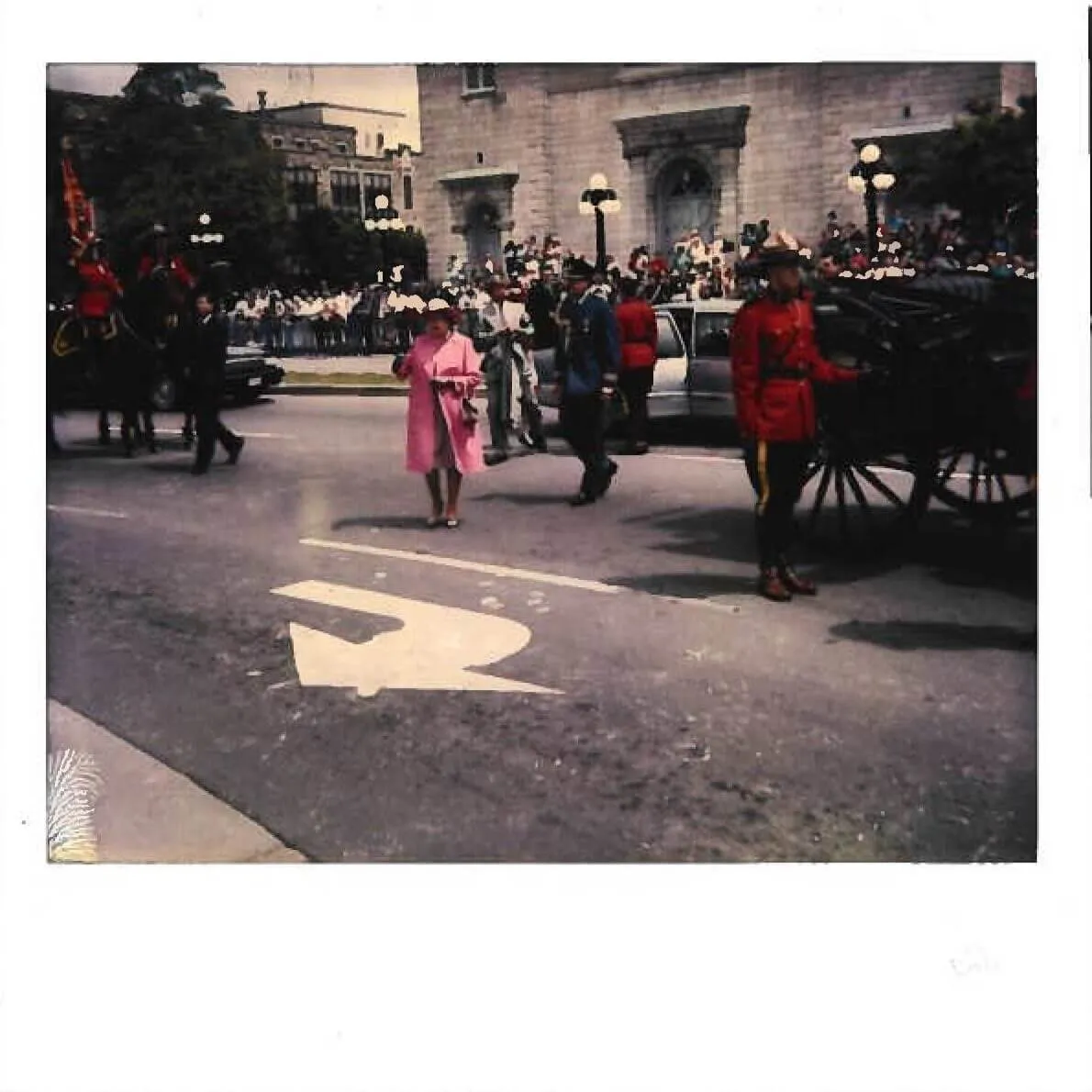
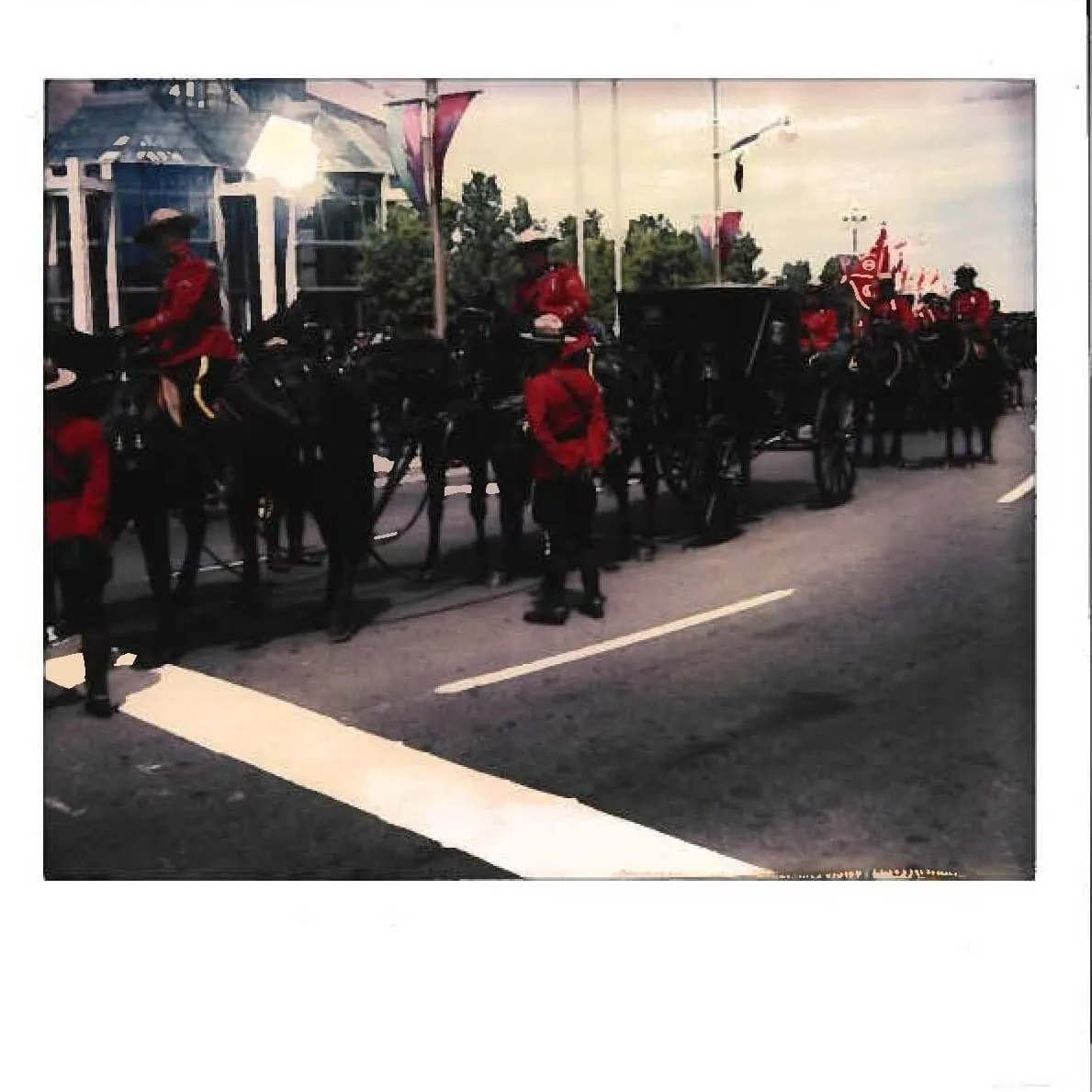
By 1987, Yves had become central to strengthening the CBDC’s capabilities, vetting all nationally issued bulletins, training new technicians, recreating Improvised Explosive Devices (IEDs) for instructional use, and gathering intelligence from around the world to keep Canadian technicians ahead of emerging threats. He also supported high‑profile operations, including royal visits by Queen Elizabeth II, Prince Philip, and the Governor General, meticulously searching venues for explosives.
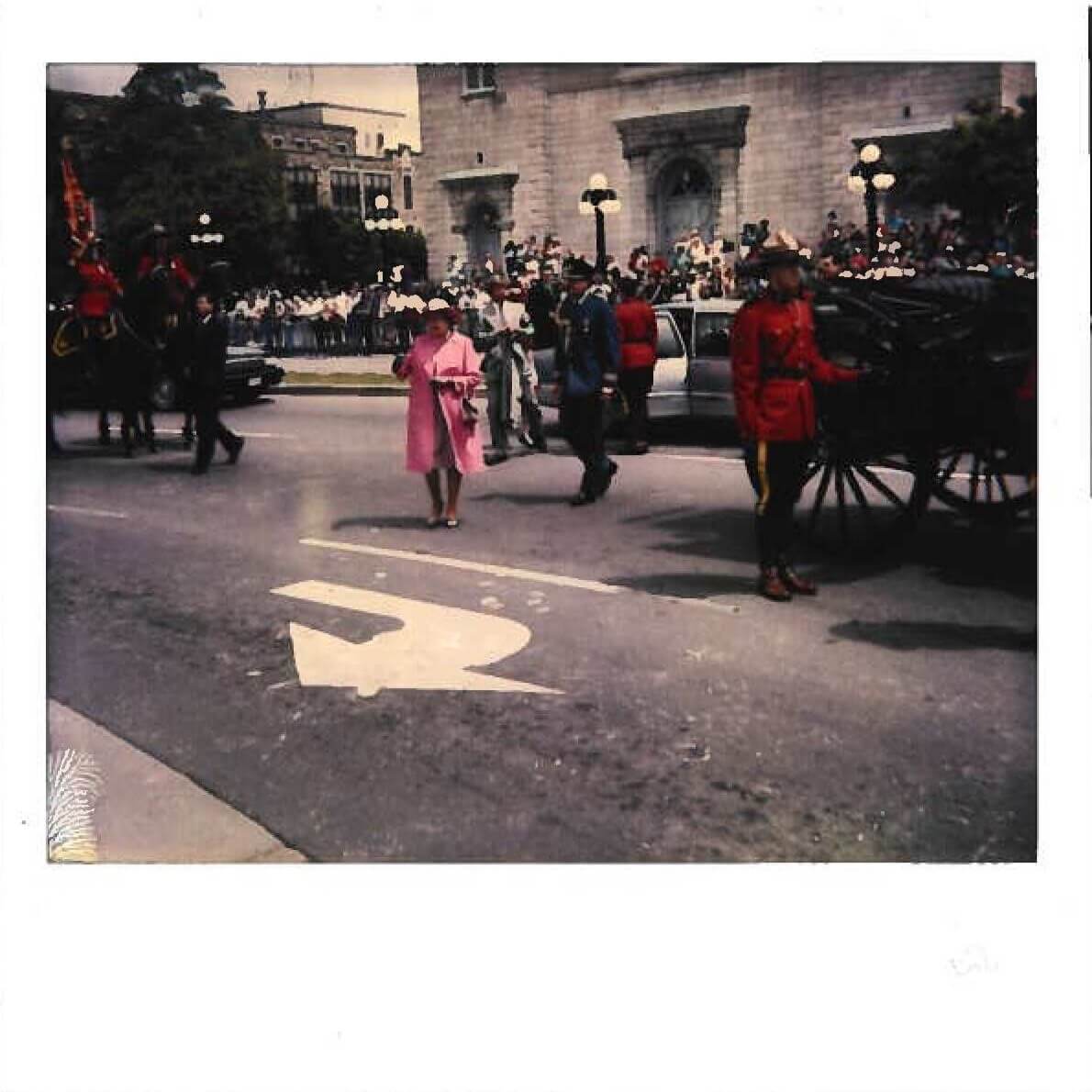
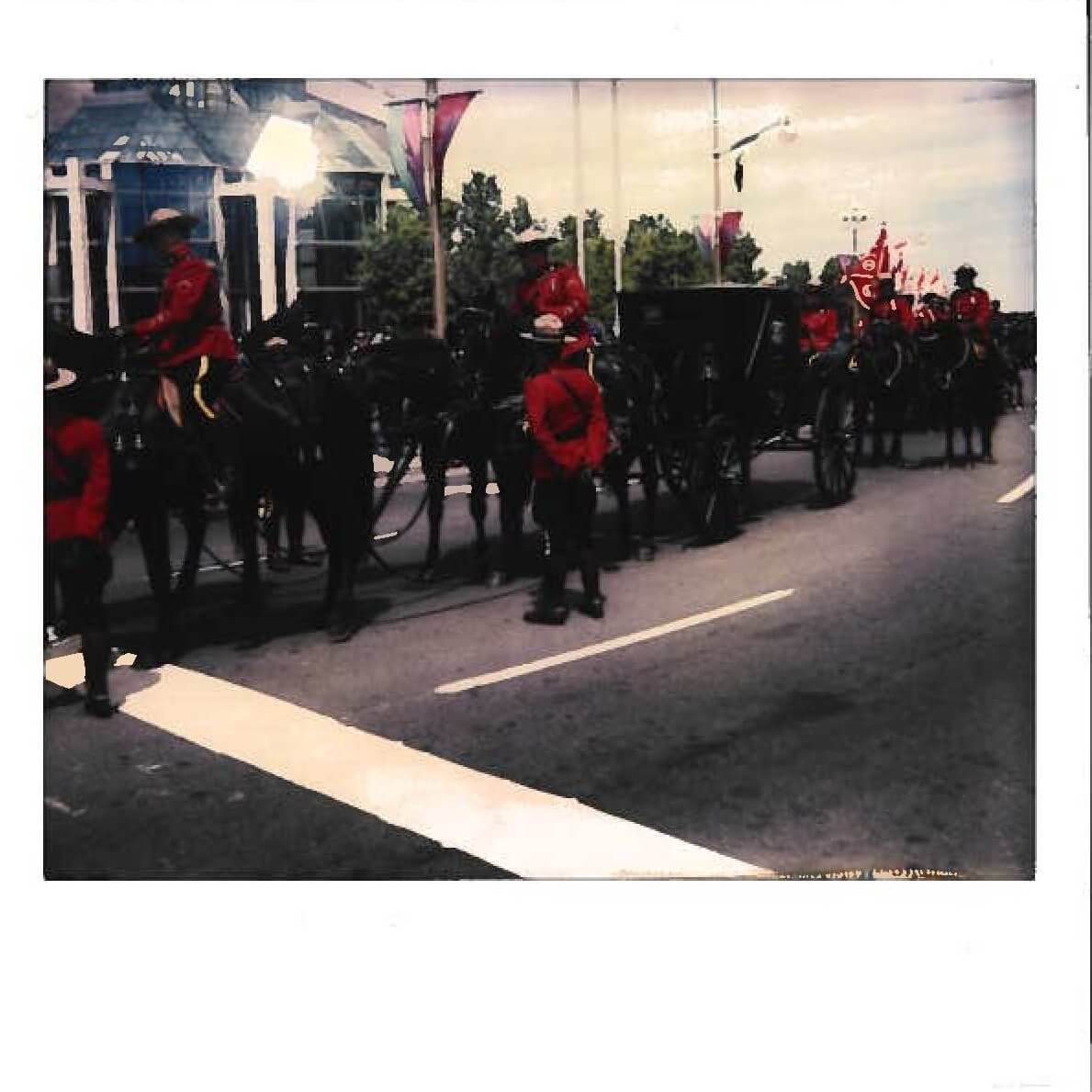
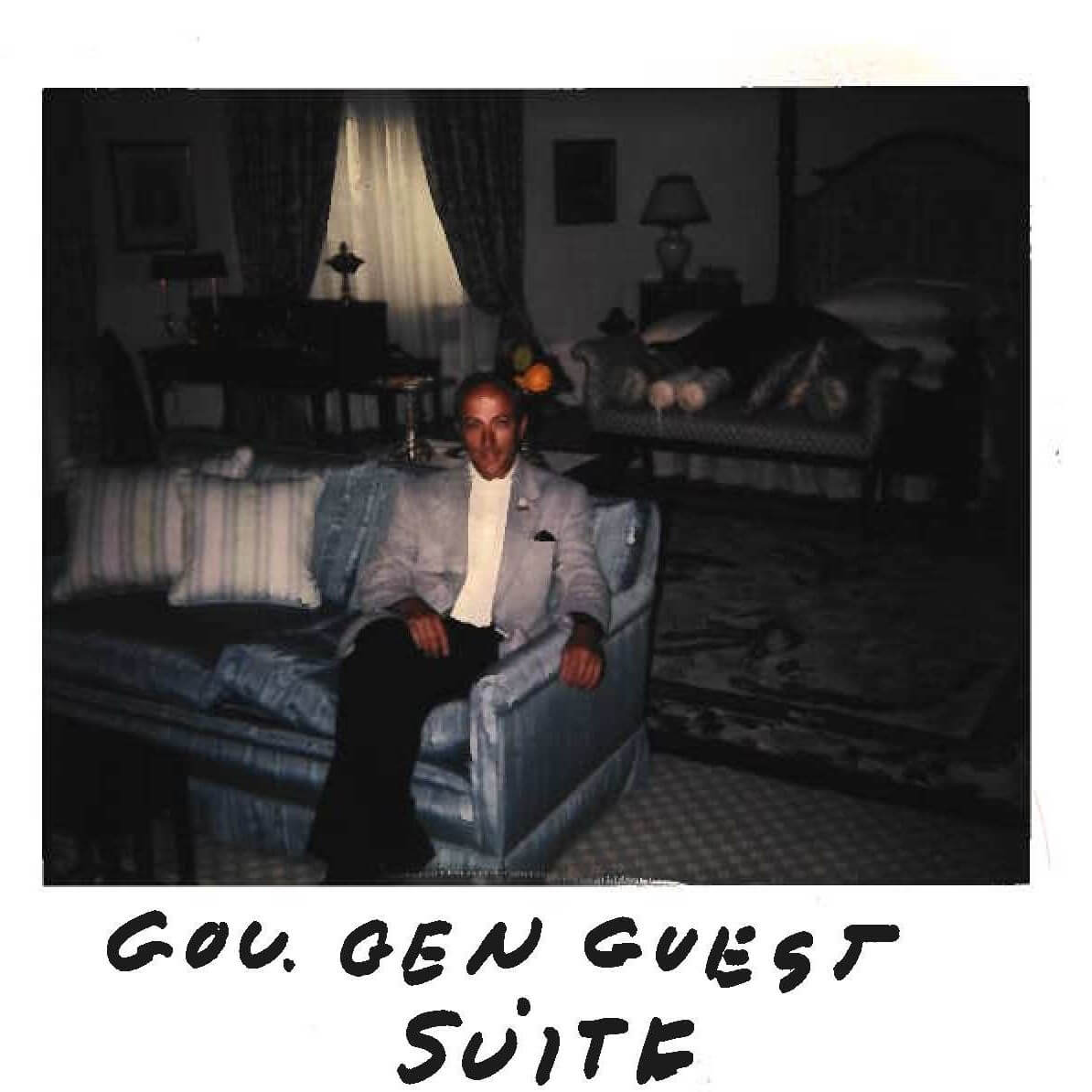
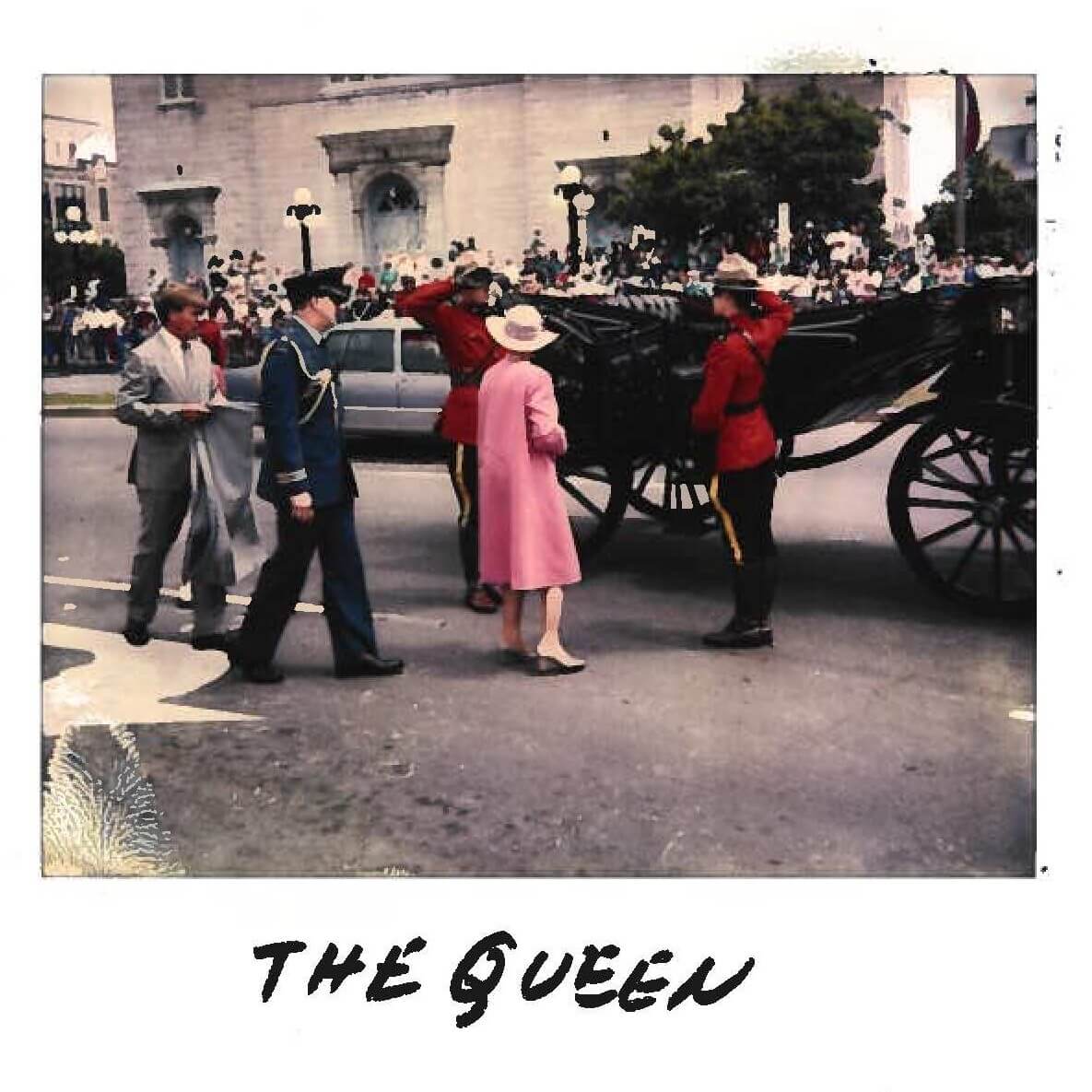
Bomb school itself was housed in an unremarkable old band building on the CPC campus, but the experience left a lasting mark.
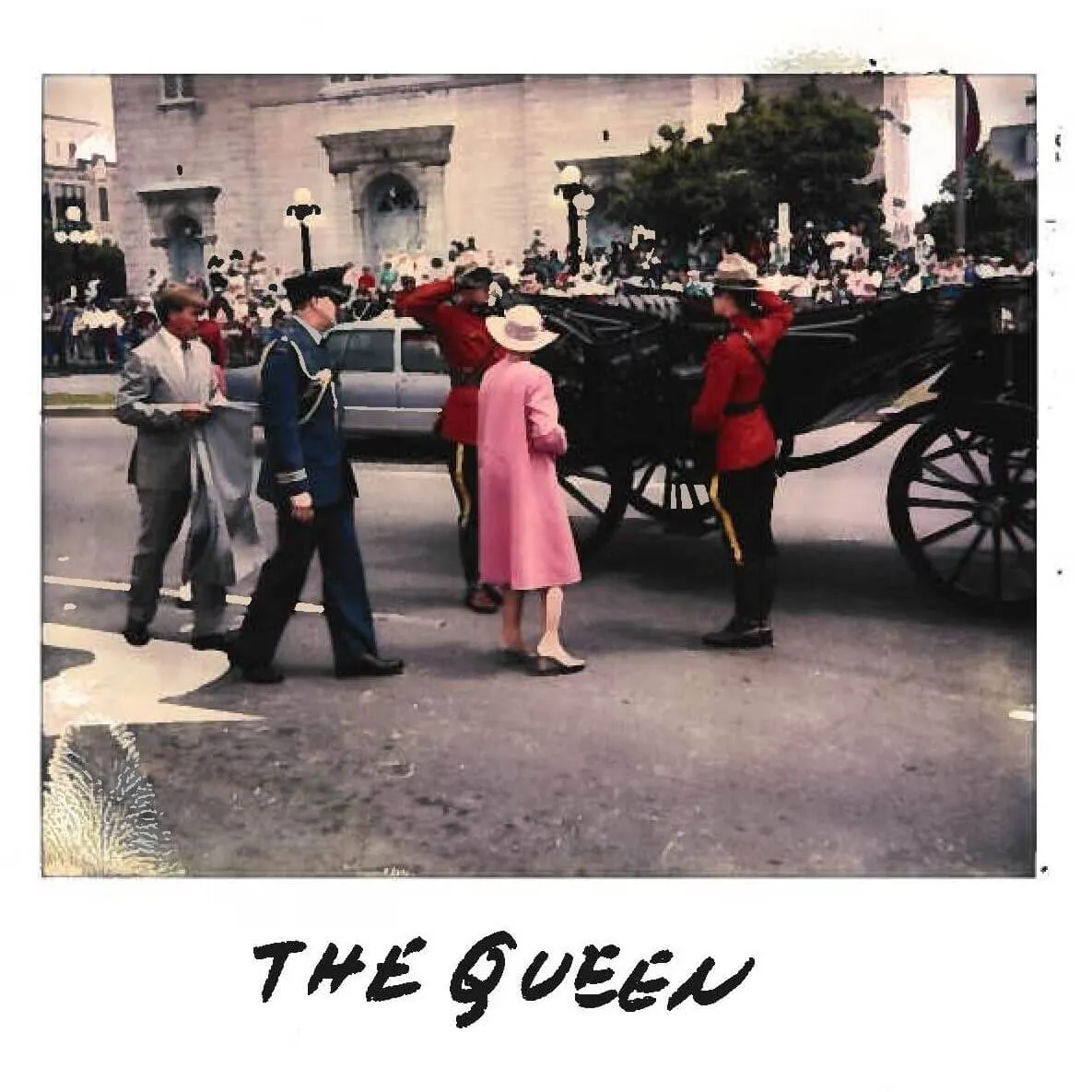

Bomb school itself was housed in an unremarkable old band building on the CPC campus, but the experience left a lasting mark.
“Bomb school changed how you thought about everything,” Yves said. The training didn’t just teach technical skills, it rewired how Members approached risk, patience, and decision-making. Everyday objects, ordinary environments—nothing felt casual anymore.
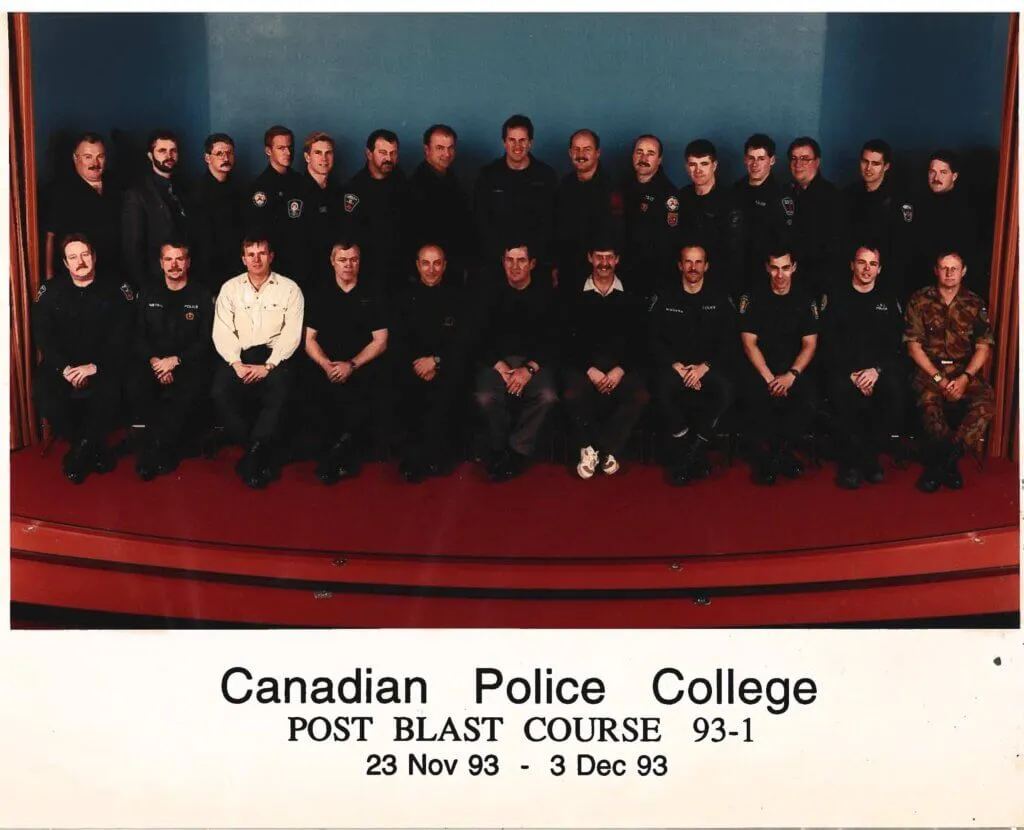
Yet despite the intensity, Yves remembers the camaraderie. Shared meals, quiet jokes, and the gallows humour unique to high-stakes professions helped them endure.
“We worked hard,” he laughed, “but we also kept things light. Bomb techs have a certain sense of humour… it’s how you get through the pressure.”
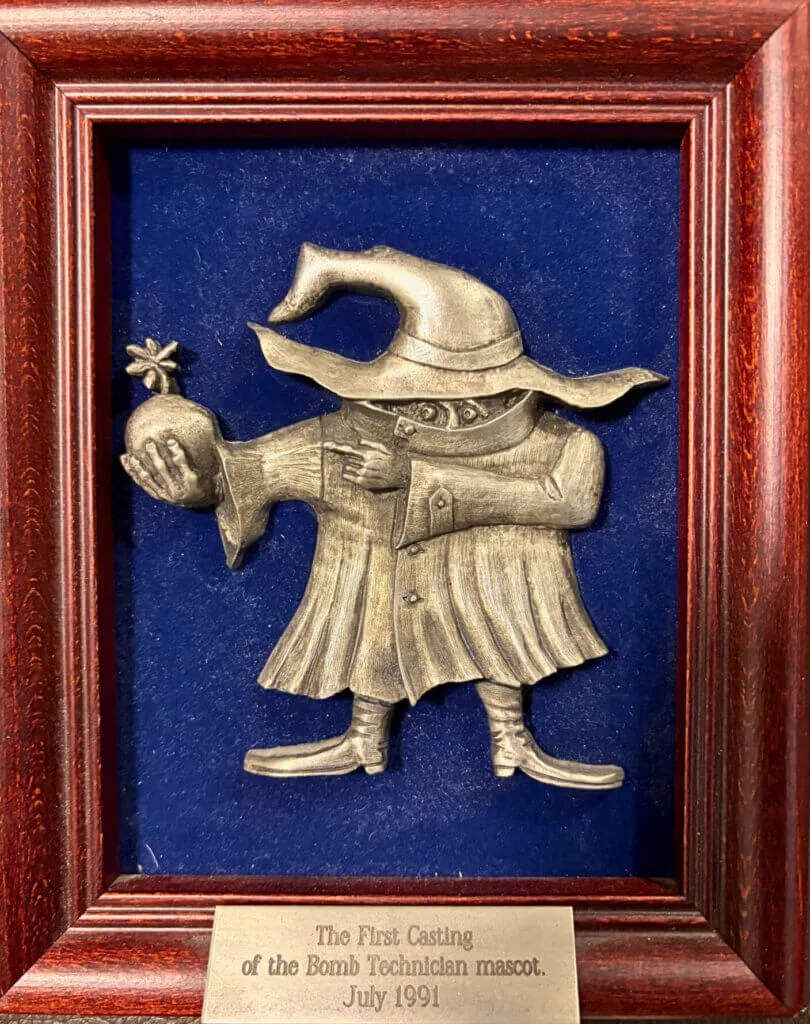
This pewter plaque was designed by E. Kew of Borden, Ontario and represents the officially registered mascot of all Canadian Police and Military explosives technicians, protected under copyright since 1982. Each plaque was individually numbered and recorded by the Canadian Bomb Data Centre. The mascot draws its inspiration from Guy Fawkes, whose 1605 “Gunpowder Plot” made him one of history’s earliest known criminal users of explosives.
From training rooms to tarmacs and secure venues, Yves’ career reinforced a core truth: explosives disposal never exists in isolation. It intersects with aviation security, protective policing, major events, and public confidence. What the RCMP was building was not just technical capability, but a culture grounded in discipline, adaptability, and trust.
–
What began as close, dangerous work with limited tools gradually evolved into a specialized discipline defined by patience, judgment, and trust.
In Part 2, we follow that evolution through decades of technological change—and through the career of a bomb technician who led by a single, unwavering principle: everyone goes home.

From Rink to Ready: How Hockey Shaped Anne’s RCMP Career
For many Canadians, hockey is more than a sport. It’s a shared spirit of dedication, sacrifice, and teamwork. During the 2026 Olympic Winter Games (which are ongoing at the time of publication), that connection only deepens as we watch athletes represent Canada on the world stage after years of preparation that often go unseen.
That same steady commitment is something Anne Alary, an RCMP Staff Sergeant, understands well.
Before becoming the Non-Commissioned Officer in Charge of National Headquarters Explosives Disposal Unit and the Policy Centre in Ottawa, Anne was a high-performance hockey player, competing with the Ottawa Raiders in the National Women’s Hockey League.
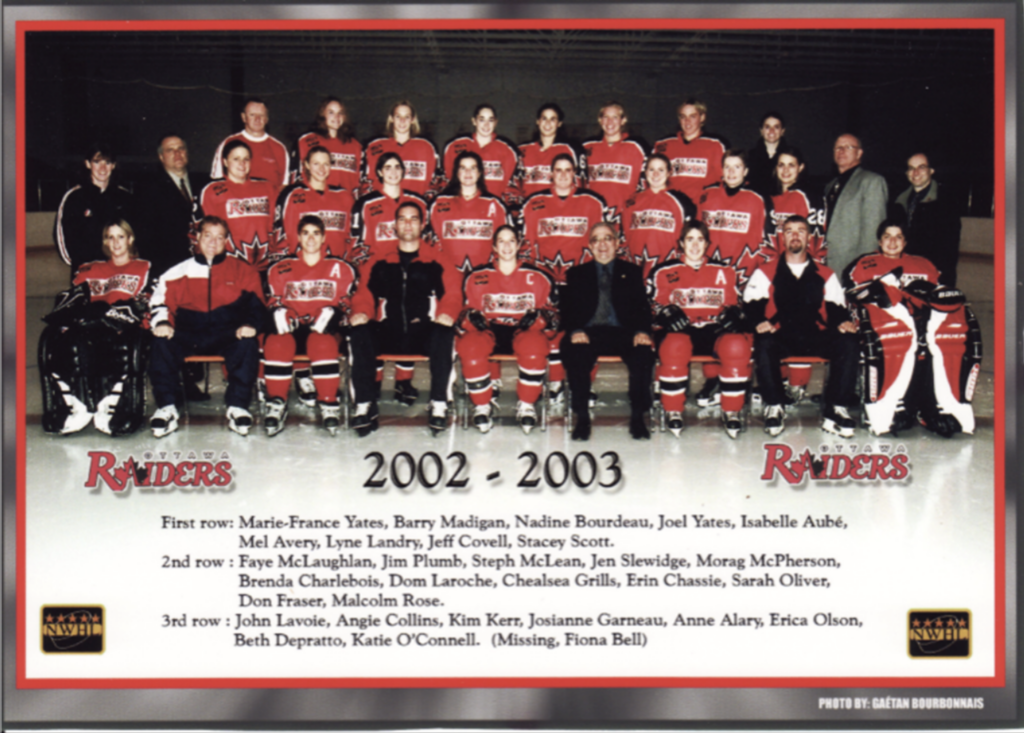
A Team Photo of the Ottawa Riders from 2002. Anne can be seen in the third row, fifth from the left.
Today, she also serves as a U18AA Head Coach with the East Ottawa Stars and was recently announced as the new U22 Elite AA Assistant Coach with the Nepean Wildcats—developing the next generation of athletes while leading behind the scenes in one of the RCMP’s most specialized and readiness-focused environments.
Though the settings may differ, the mindset, skills, and dedication between being a professional athlete and a police officer are strikingly similar.
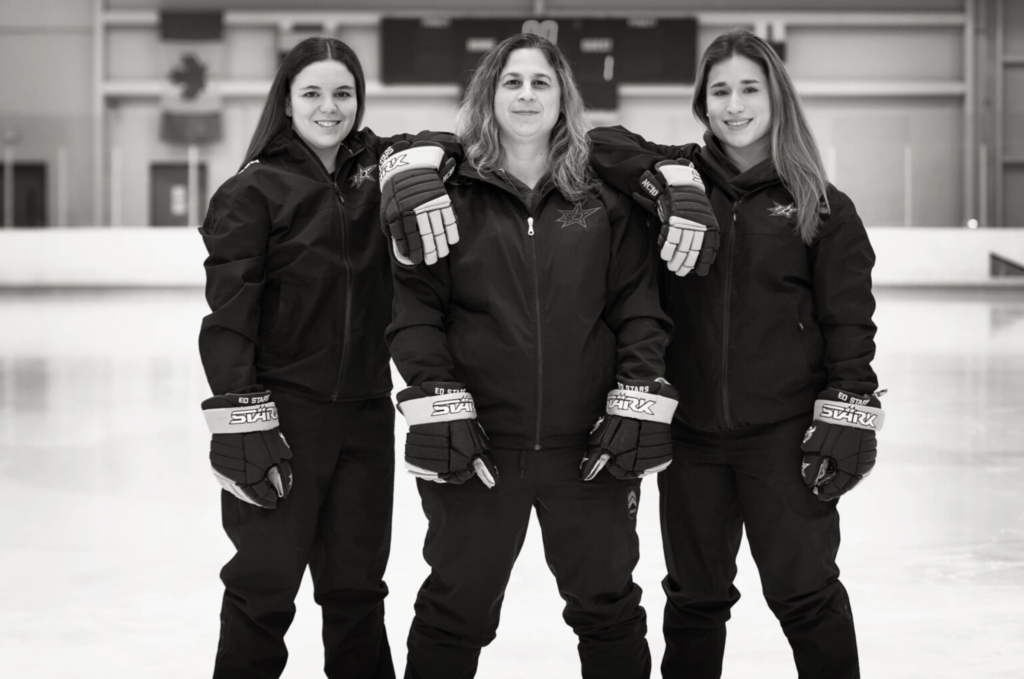
Anne (center) between the Assistant Coaches of the U18AA East Ottawa Stars.
Built on the Ice
Anne’s connection to sport started early. Growing up in a family deeply involved in athletics, she was constantly active—playing outside, skating on outdoor rinks, biking, and trying everything from basketball to ringette. But hockey was the constant.
“Competing at an elite level taught me discipline, focus, and resiliency,” she says. “There are personal performance expectations, but also the responsibility of being a reliable teammate.”
Playing against and alongside the best also meant constant pressure: competing for ice time, managing injuries, navigating team dynamics, and pushing through adversity. Those experiences shaped not only the athlete Anne became, but the policing leader she is today.
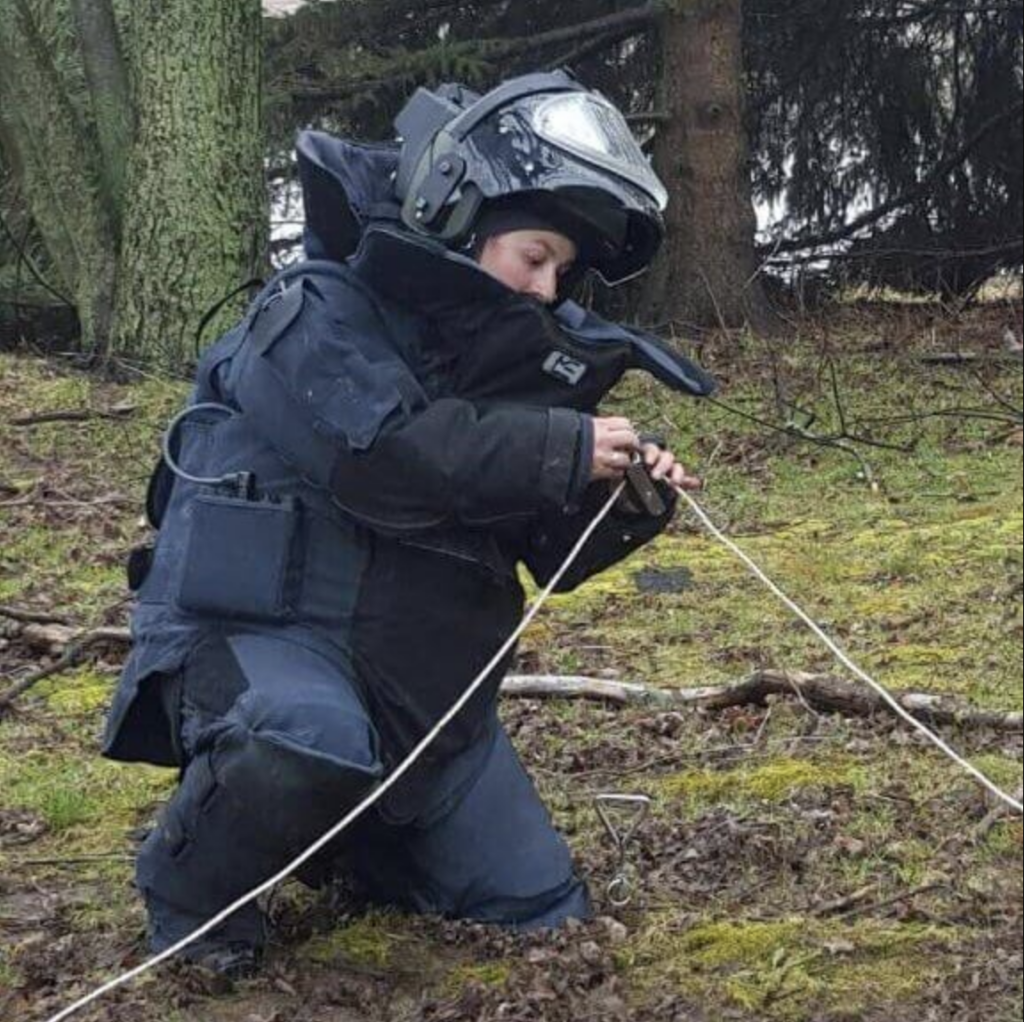
Anne is no stranger to high‑stress situations. In this photo, she takes part in scenario‑based training during the annual London Ontario Exercise, where EDUs from across the province come together to test their skills through a series of challenging scenarios.
“Staying calm in high-stress situations allows you to think clearly and make decisions based on experience,” she explains. This lesson translates seamlessly from the rink to policing.
Trust, Accountability, and Team Culture
At the heart of both hockey and policing is trust.
For Anne, understanding the accountability that comes with building trust isn’t just personal.
“When one person isn’t accountable, it affects the whole group,” she says. “You need to trust that everyone is working toward the same objective and will be there to support one another.”
As a coach, Anne prioritizes culture above all else. Creating clear expectations, setting high standards, and fostering accountability while ensuring athletes feel safe to learn and fail are foundational.

Coach Anne (right) poses for a photo with one of her talented, award-winning athletes.
“When people operate in a positive environment without fear, they thrive,” she says.
It’s an approach she carries into her RCMP leadership, where mentorship, growth, and open communication are just as critical as technical skills.
Long Before the Puck Drops
Anne’s current RCMP role places her largely behind the scenes, but its impact is national in scope.
Having served on the front lines across Canada—from rural Saskatchewan and Indigenous policing in Pelican Narrows, to Parliament Hill, the RCMP’s Musical Ride, and specialized operations—she brings a deep operational understanding to her work at National Headquarters Explosive Disposal Unit (NHQ EDU) and the Policy Centre.
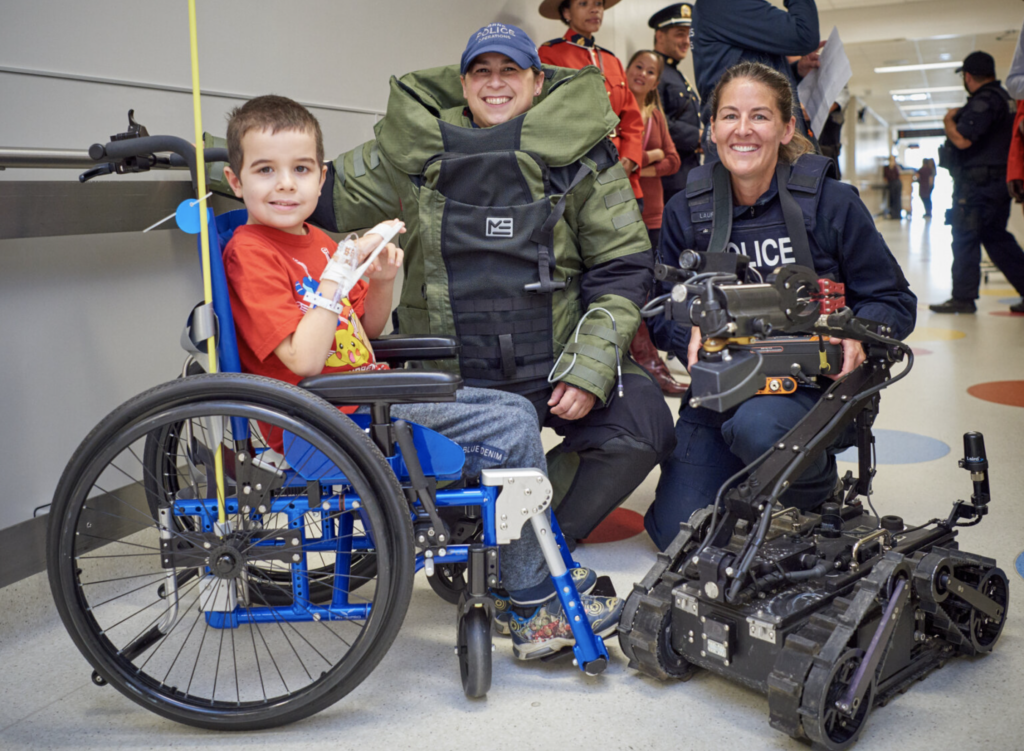
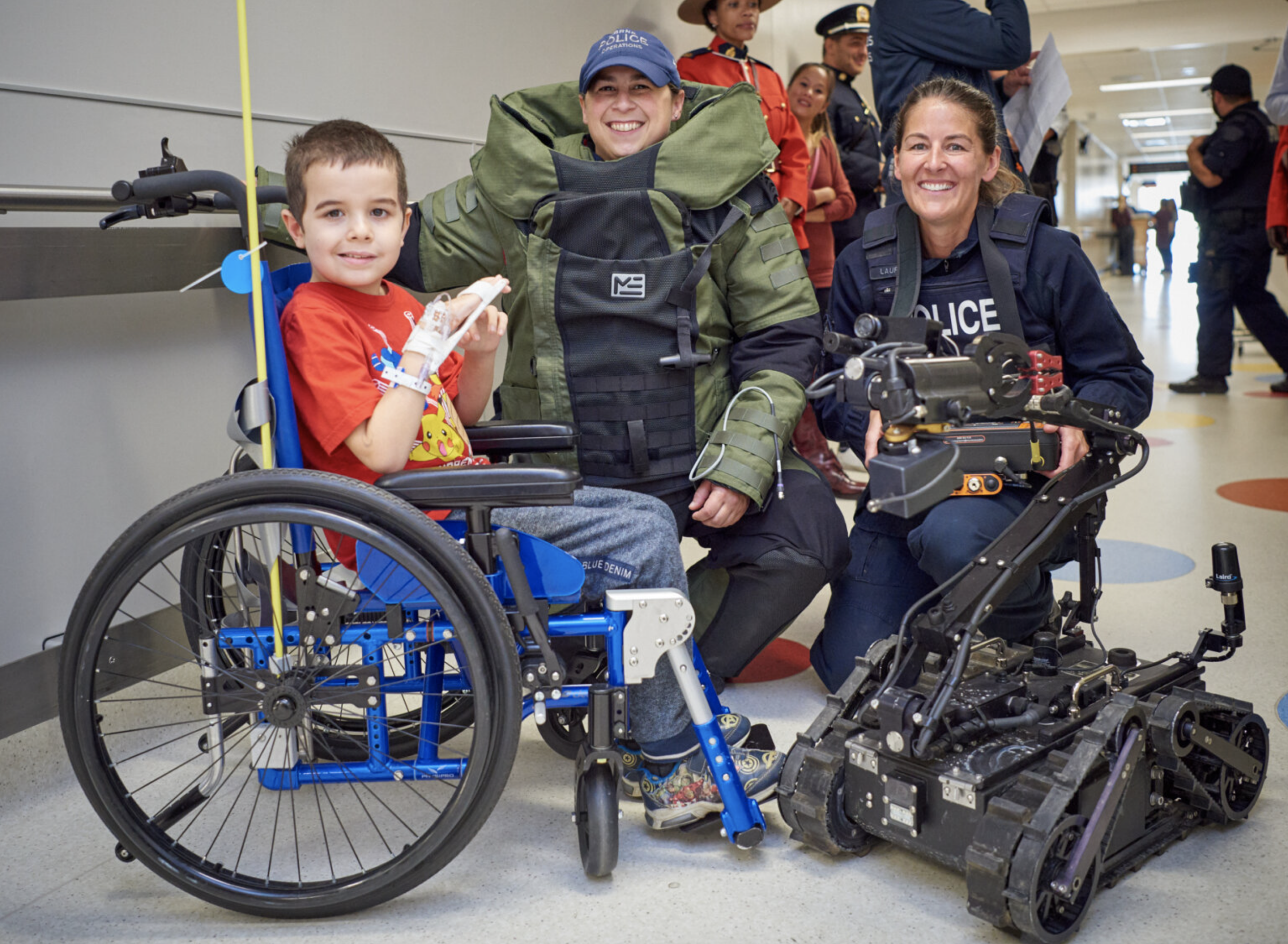
Anne (center), fellow bomb technician Sgt. Maryse Laurin (right), and one of the EDU’s robots are seen visiting a child (left) at St‑Justine Hospital in Montreal.
“Our role is about understanding what EDU teams across the country need and ensuring they have the equipment, policies, and procedures to do their jobs safely and effectively,” she explains.
The parallel to sport is clear: success on game day depends on habits built long before the puck drops.
“Habit setting is everything,” Anne says. “What you practise everyday transfers directly when it matters most.”
For EDU Members, consistency in training across a wide range of specialized skills ensures they are always ready to respond, whether during a major international event or an unexpected call for service.
What the Public Doesn’t See
When Canadians tune into the Olympics or Paralympics, they see moments that culminate from years of preparation. The same is true of policing major events.
“The public doesn’t always see the quiet expertise working in the background,” Anne says. “But Members maintain their skills 365 days a year so that, when something critical happens, they’re ready.”
That preparedness—preventative, precise, and often invisible—is what allows major events to unfold safely and seamlessly, whether it’s the Olympic Games, FIFA tournaments, or national celebrations.
Curious about how RCMP Members support major events behind-the-scenes? Check out NPF President & CEO Brian Sauvé’s story about policing during the 2010 Olympic Winter Games in Whistler, BC.
National Pride, Shared Values
As Canada competes in the Olympic Winter Games Milano Cortina 2026, Anne sees a powerful connection between athletes and RCMP Members: dedication, teamwork, and service cannot exist in isolation.
“In a team environment, you can’t have one without the other,” she says.
She’s watching the Games closely (especially hockey) and cheering on Team Canada alongside millions of others.
“Olympic years are the best,” she adds. “So many athletes juggle training with work, family, and life, yet still represent our country with pride. That dedication is incredible.”
Whether on the ice or behind the wheel of a police car, the commitment to excellence looks remarkably the same.
And like the best teams, it’s built long before the spotlight ever turns on.
Go Canada Go!
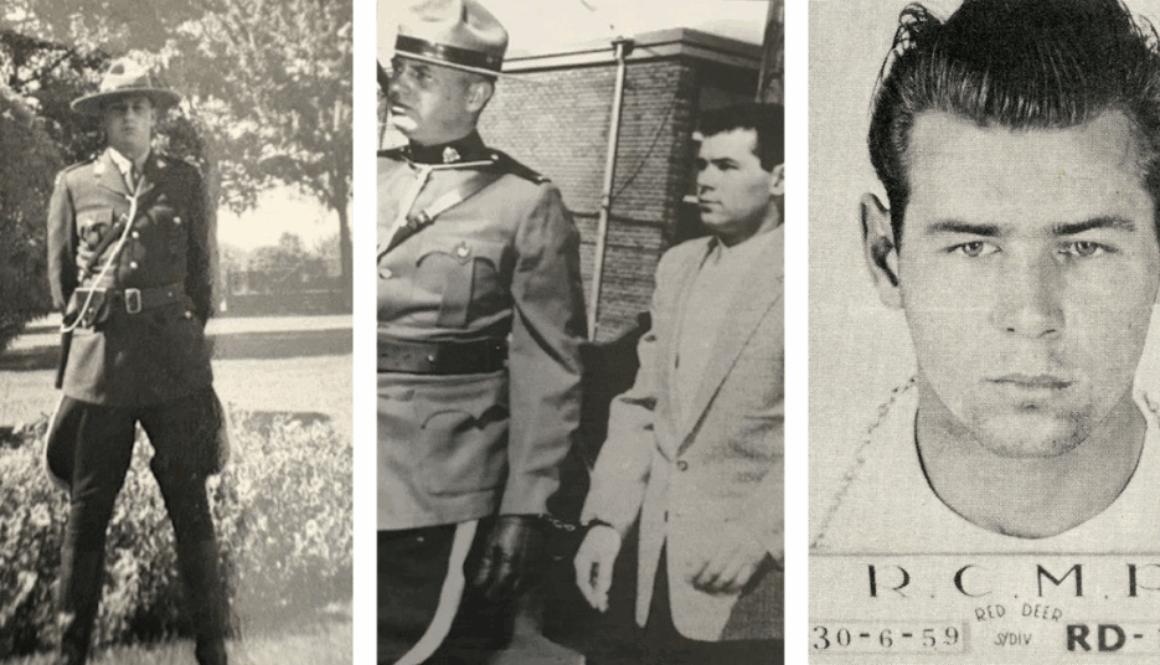
A Story Untold: Sgt. Theodore P.J. Hesch (Ret.)
Trigger Warning: The following blog discusses murder and death, and may be distressing to some readers.
A crime that shook the province
In the summer of 1959, the quiet prairie town of Stettler, Alberta, was shattered by a crime so horrific it would haunt the province for generations. On June 25, 1959, seven members of the Cook family—Raymond, his wife Daisy, and their five young children—were found murdered in their own home.
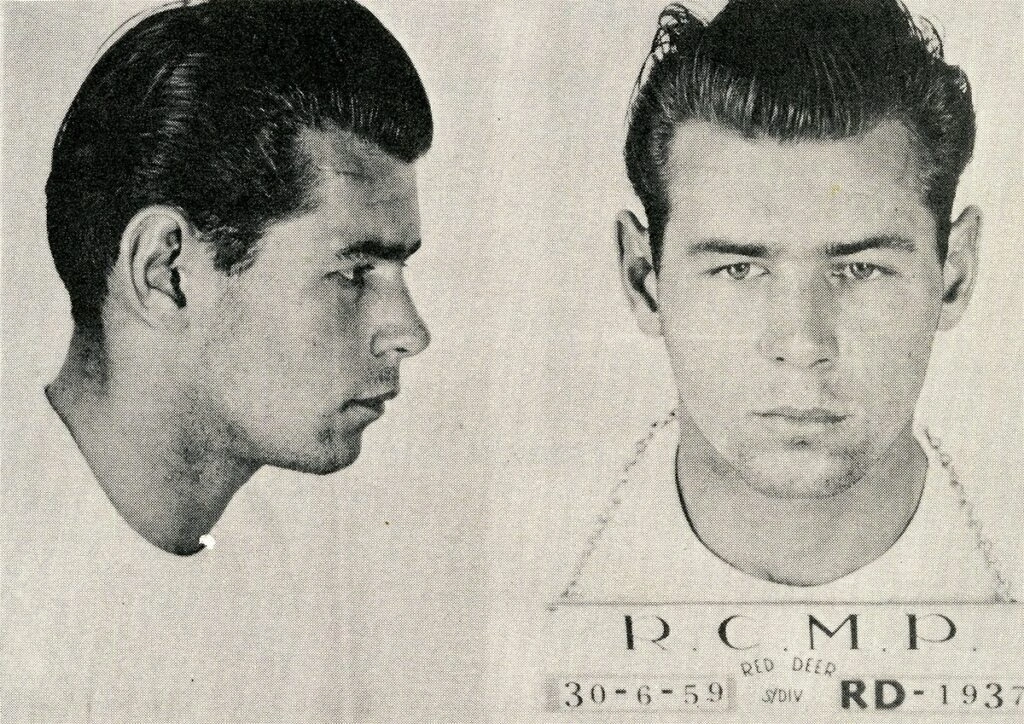
Suspicion quickly turned to 22-year-old Robert Raymond Cook, Raymond’s eldest son from a previous relationship. Robert was arrested days later while attempting to trade in the family car. Inside the vehicle, police discovered a chilling collection of items: children’s pyjamas, insurance papers, and the marriage certificate of his father and stepmother. Robert’s evasive stories only deepened the suspicion. Something was terribly wrong.
On June 28, the horrifying truth emerged: the seven bodies had been stuffed into the grease pit beneath the family’s garage.
What followed captivated the nation. While awaiting psychiatric evaluation, Robert escaped the Ponoka Mental Institution, stole a car, crashed it, and vanished into the Alberta countryside. The manhunt that followed was one of the largest in Alberta’s history, with over 100 RCMP officers, police dogs, militia, and aircraft searching tirelessly. Days later, Cook was found hiding in a pigsty near Bashaw.
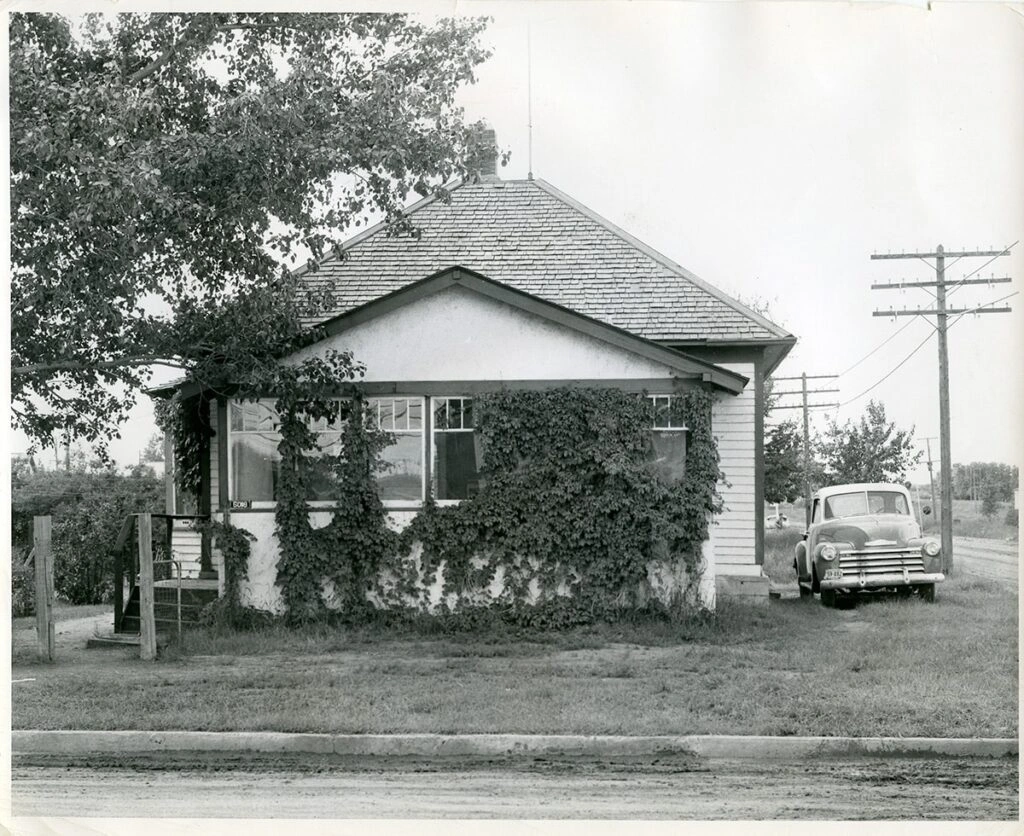
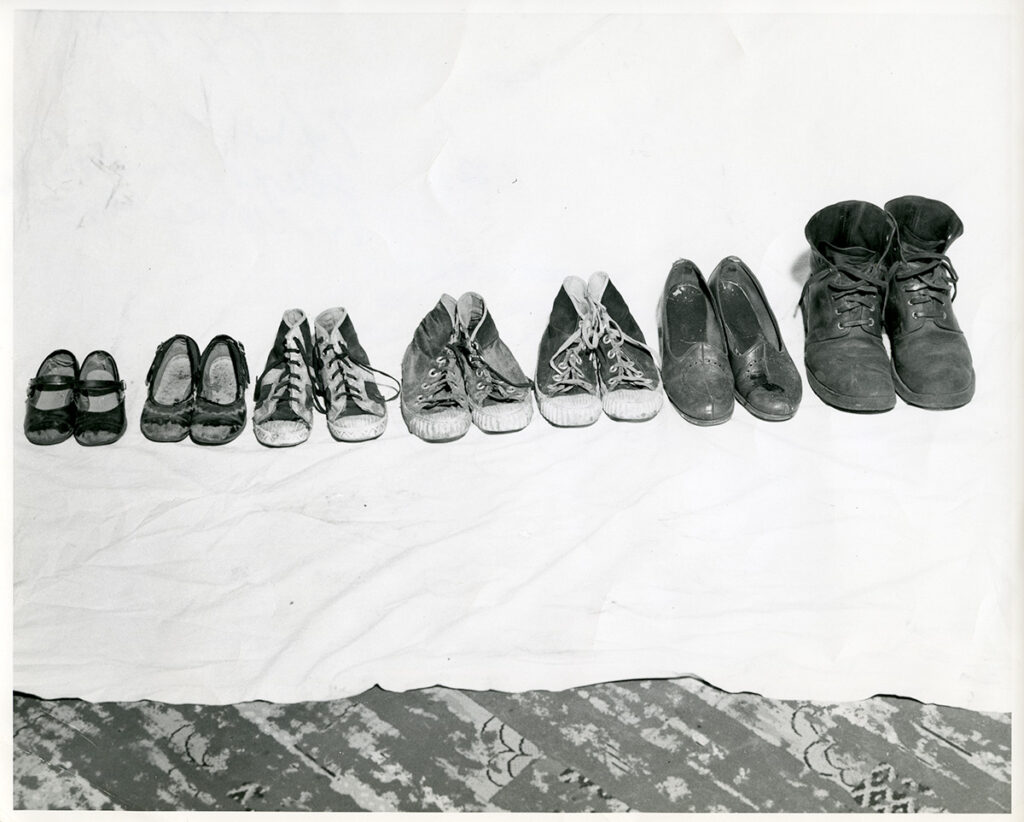
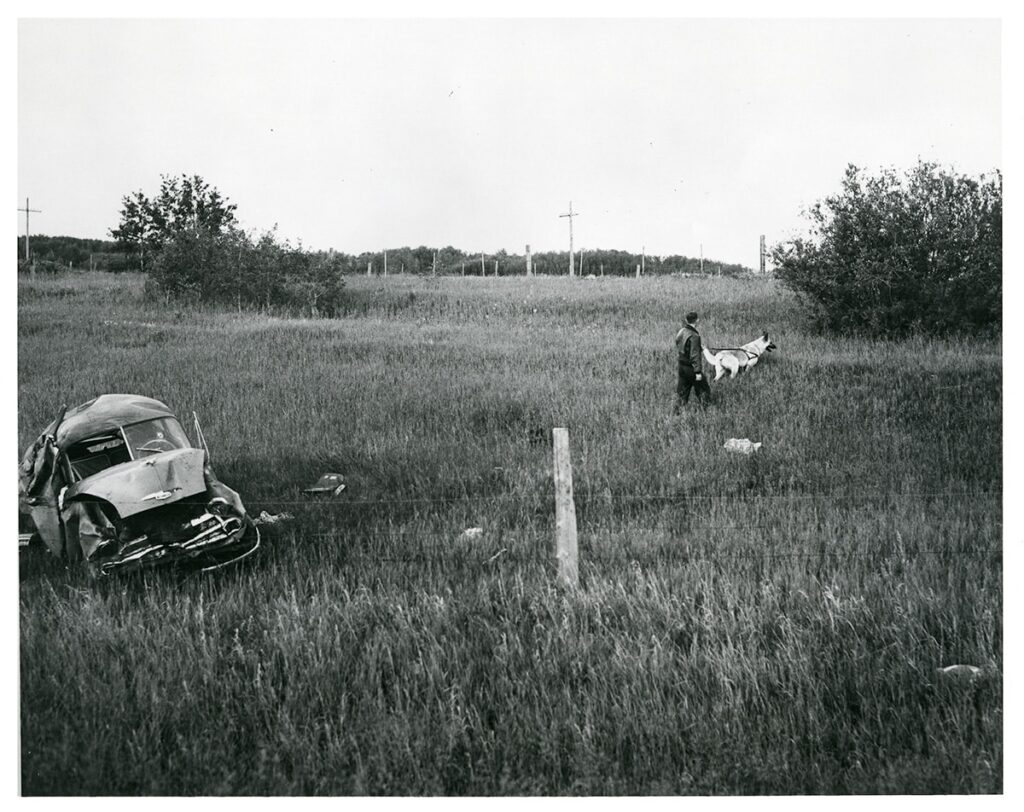
Rather than try him for all seven murders, the Crown focused on a single charge—the death of his father—to expedite the trial. The first trial in Red Deer ended in a guilty verdict. After an appeal, a second trial in Edmonton reached the same conclusion. Cook was sentenced to hang.
On November 15, 1960, Robert Raymond Cook was executed in Fort Saskatchewan. It was Alberta’s last execution—and the second-last in Canadian history.
To this day, the Cook family murders remain one of Canada’s most disturbing crimes.
But this blog isn’t about Robert Cook.
His story has been told—by the media, in books, on stage.
Too often, these crimes are remembered by the names of those who committed them. We obsess over their motives, their madness, their final words. But we forget the names of those who ran toward the darkness—who searched fields, knocked on doors, and carried the burden of justice. We forget that for RCMP Members, even this harrowing case is just one chapter in a long, often thankless career.
This is Ted’s story.
Introducing Sergeant Theodore (Ted) P.J. Hesch (Ret.)
Ted Hesch was born in Ontario on May 16, 1937, the eldest of eight children—and the only boy among six younger sisters until he received a telegram from his father in 1957 announcing the birth of a baby brother.
“When I was a young fellow, probably 12 years old or thereabouts,” Ted recalled, “I had read books and stories about the RCMP. I thought then that this was the career for me. I knew a couple of fellows from my hometown who joined the Force. Some of the stories they told inspired me. It was hard to get in at that time, so I was very fortunate.”

Ted dreamed of becoming an RCMP Member from a young age, making it official at just 19 years old
Ted joined the RCMP in June 1956 at just 19 years old. After graduating in early 1957, he received his regimental number: 19480. His first posting was with the Protective Branch in Ottawa, where he worked security at key institutions like Government House under Governor General Vincent Massey, the Bank of Canada, the Royal Canadian Mint, and Parliament Hill. He was also part of the security detail during Queen Elizabeth II’s visit in September 1957.
After his transfer to K Division (Alberta), Ted was posted in Edmonton, where he worked in the guardroom and later with the Criminal Intelligence Branch.
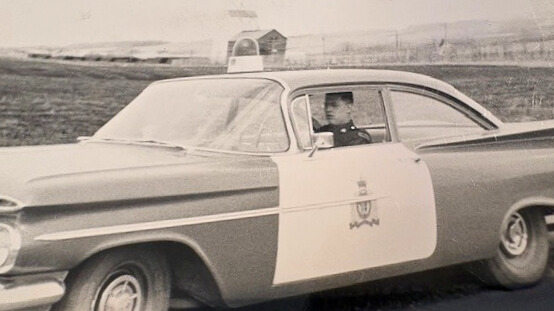
In 1958, he was stationed in Innisfail — the first of many rural postings across the province. Over the years, Ted served in Red Deer, Olds, Killam, Coronation, and Stettler, often as the only officer covering vast stretches of countryside. With no radio communication and hundreds of kilometres between calls, he relied on grit, instinct, and determination.
His work was as varied as it was demanding: investigating break-ins and thefts, responding to train and motor vehicle accidents, handling accidental and natural deaths, and enforcing everything from provincial statutes to the Criminal Code of Canada.
Ted’s role in the Cook case
Ted was alone at the Innisfail detachment on June 28, 1959, when the RCMP Sergeant from Stettler called. Seven bodies had just been found.
Ted was asked to notify the victims’ relatives—Raymond Cook’s mother and sister, who lived in a trailer park in Bowden.
“It was quite a thing for a young guy like me to have to tell them,” Ted said. “It was my first time.”

An issue of “Master Detective” magazine from Ted’s personal collection, covering the Robert Raymond Cook murders
He couldn’t share details, as the case was active. The emotional weight of that task stayed with him.
On July 11, Ted heard over the radio that Cook had escaped from the Ponoka Mental Institution. “A friend of mine was involved in the chase. He fired his revolver, and the bullet passed through the back window and out the front—just missing Cook.”
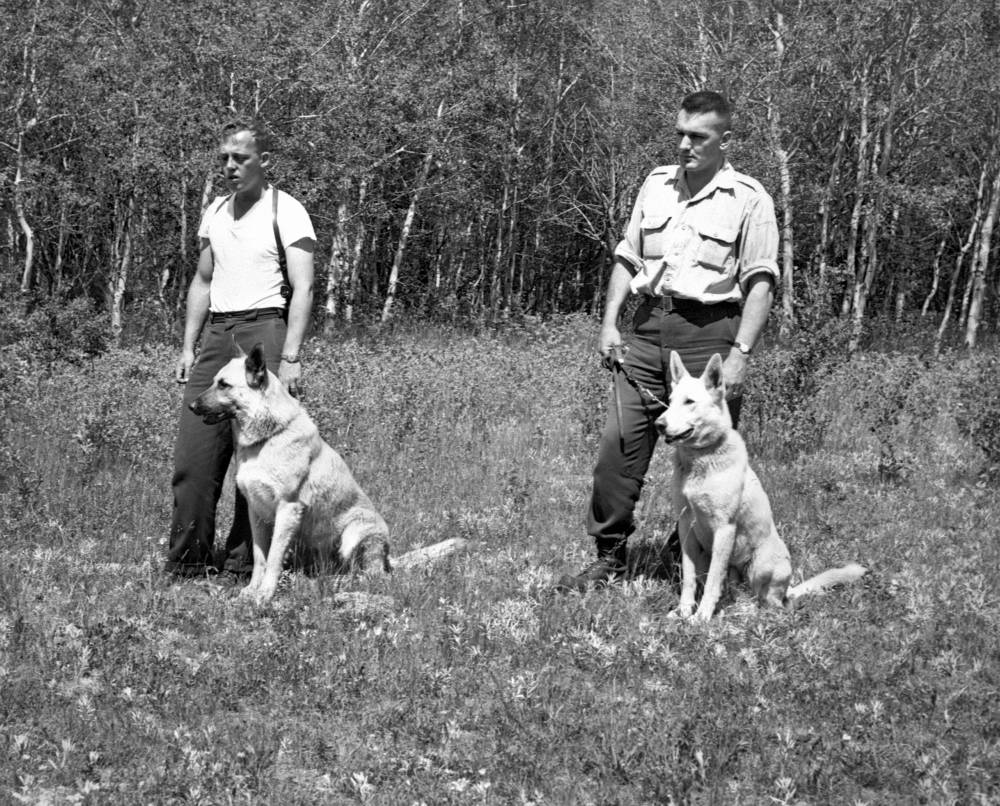
Cook crashed the vehicle and fled. Meanwhile, Ted was one of the few Members securing the shaken community around Innisfail and Bowden. “We were tired and working 24 hours a day, checking vehicles in the event Cook returned to the area to harm his grandmother,” he said. “The whole community was scared. The whole of central Alberta was frightened. Some rural families even joined together, arming themselves with guns in the event Cook showed up at their residences.”
Resources were sparse. “We had no rifles, no shotguns. Just revolvers, one police car, and one set of handcuffs for the entire detachment.”
Thanks to reinforcements from across Alberta and beyond, Cook was recaptured on July 13 near Bashaw.
Up close and personal
After Cook was recaptured, Ted thought his role in the case was finished—but fate had a different plan.
After being transferred to Red Deer to join the RCMP Highway Patrol, Ted found himself working on the top floor of the Federal Building. Just next door was a small holding cell—and inside it, awaiting trial, was Cook.
Ted (left) and Cst. Shewchuk (right) escorting Robert Raymond Cook (middle) to Court on charge of murder in Red Deer, Alberta (1959)

Ted, along with Constable C.W. Thompson, was tasked with guarding Cook during the nighttime hours. “Cook was a cool and chilling character,” Ted later recalled. “He never showed a hint of remorse.”
For ten tense days, Ted’s duties included escorting Cook across the street to the Red Deer courthouse, a slow, weighted walk under the wary eyes of the town.
Cook was ultimately convicted of his father’s murder—not once, but twice—and sentenced to hang each time.
One case of thousands
While the Cook case left a permanent mark on Ted and the country, this was only one example of thousands of challenges and triumphs throughout his career.
One frigid January evening in 1964, Ted had just finished a curling match when he was dispatched to a potential murder scene south of Stettler. It began with a suspicious traffic stop at the U.S. border. The driver—posing under a false identity—was Donald Scheerschmidt, who had murdered a local bachelor named Coulton Mackey.
At Mackey’s remote home, Ted and his team forced their way inside. “The place was ramshackled. A .22 rifle and a Rosary were on the floor. There was no heat—ice had formed in the sink.”
Scheerschmidt confessed and led the police to a 160-acre plot that was empty with the exception of a well in the middle. The water within the well was frozen to ground level, and Mackey’s body was placed on top of the ice. Ted and RCMP Constable A.R. Wilson guarded the site overnight—in -30°C weather, relying on the car heater for warmth.

A newspaper clipping from the Edmonton Journal (May 1, 1964)
After the investigation was complete, the still-frozen body was placed in the trunk of a police car. The image of Mackey’s body, frozen in a fetal position with a cigarette holder between his teeth, has stayed with Ted for life.
That case never made national headlines like the Cook case did. But like so many career experiences, it left a permanent impression on Ted.
A legacy to remember
Ted’s work didn’t end with the Cook or Scheerschmidt case — in fact, far from it. His career grew into a testament of leadership under pressure and resilience in the face of constant change.
In 1965, Ted transferred from Stettler to Camrose, where he was tasked with launching a new highway patrol unit. For nine months, he worked the highways alone, laying the foundation until two additional constables could join him.
His steady leadership did not go unnoticed. In 1967, Ted was promoted to Corporal, and just a year later, he took charge of a six-man highway patrol team in Stony Plain, west of Edmonton. Stony Plain was a demanding post, with the busy No. 16 Highway presenting daily challenges.
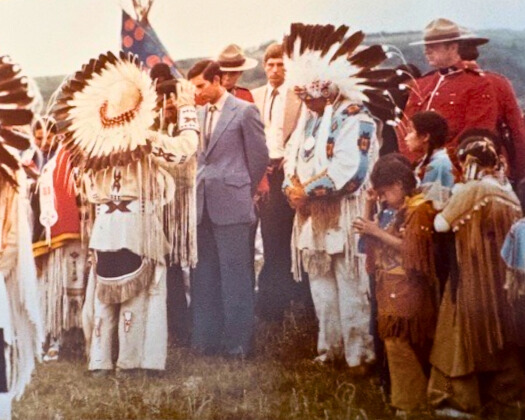
Ted continued to rise through the ranks. After four years in Stony Plain, he was in charge of the Whitecourt Town Detail, second in command at the detachment. From there, he was promoted to Sergeant at the Calgary Detachment, overseeing operations that included policing the Tsuu T’ina Nation.
Ted’s leadership journey culminated at one of the RCMP’s busiest posts: the Calgary Airport Detachment. As Operational Non-Commissioned Officer, he managed a team of 32 officers. His focus on training, mentorship, and operational excellence left a lasting mark. Years of experience in crisis management had honed his ability to keep one of Canada’s busiest airports safe and secure.
On October 1, 1986, Ted retired after over 30 years of service.
Our unsung heroes
Though his assignments were varied and often challenging, one thing remained constant: Ted showed up with professionalism, humility, and an unwavering commitment to protect and serve.
Behind every badge, there’s a family making sacrifices too. Transfers often came with only a few days’ notice, uprooting Ted’s growing family time and time again. Each new post meant the stress of finding housing, building new routines — and sometimes buying a home he barely had time to live in.
Through it all, Ted and his wife Yvonne — now married for 62 years — built a life grounded in service, resilience, and love. Today they live in Calgary, often visiting with their three children, Cathy, Kelly, and Trent, along with their five grandsons.

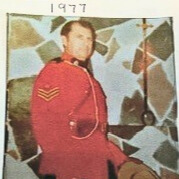
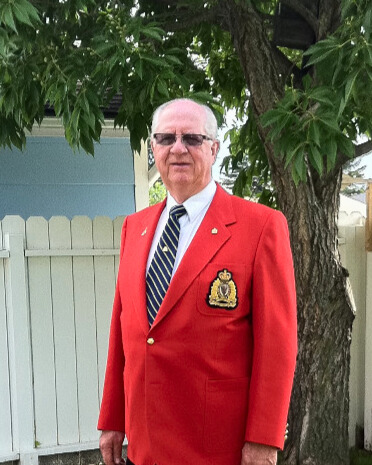
In telling Ted’s story, we remember what’s too often forgotten: that behind the cases that make the news are officers who carry their memory and weight long after the headlines fade, and who serve our country in ways we will never see.
This blog is a tribute—not to infamy, but to the integrity of service.
To every Member who has faced the darkness in service of others. To Members, and all police officers like Ted.

Determined to Make a Difference: Cst. Cameron Riel is Living his Legacy
“Louis Riel was a leader, and he fought for the rights of Indigenous people. In my role as a Member of the RCMP, I also want to be a leader and stand up for of all those who are vulnerable.”
-Constable Cameron Riel, RCMP, Thompson Detachment

Constable Cameron Riel is in his first year as a Member of the RCMP, posted in Thompson, Manitoba. Like many of the people he encounters, both on and off the job, you might recognize his last name. That’s because Cameron is a descendent of Louis Riel, a renowned Métis leader, politician, and the founder of Manitoba, known for his commitment to advocating for Métis and Indigenous rights and his devotion to social justice and equality for all.
“Louis Riel was my grandpa’s great uncle,” said Cameron. “I’m super proud of my last name and of my heritage.”
From a very young age, Cameron knew that he wanted to join the RCMP. In fact, he can’t remember ever wanting to be anything else. Growing up in Winnipeg, he feels fortunate to be from a supportive and attentive family. His mother taught him to always treat others with kindness and his older sister, who is a nurse, demonstrated the passion and importance of being a first responder. He credits his father with teaching him to embrace his Indigenous culture and his important heritage, as a descendent of Louis Riel.
“As an educator, currently the Assistant Superintendent of Indigenous Education for the Winnipeg School Division, my dad has always been an influence on my sister and me pursuing higher education and learning about our culture,” says Cameron. “He exposed us to different traditions and brought us to a variety of cultural celebrations. My dad encouraged us to be proud of who we are and where we come from.”
Compared to stories of discrimination and racism told to him by his father and grandfather, Cameron feels grateful to have been able to experience and grow into his culture on his own terms. In university, he minored in Indigenous Studies to learn more about the people who came before him and the sacrifices they made.

“My grandpa experienced racism at an early age. He used to share stories about how he couldn’t walk to school without being taunted by other kids or being told that he wasn’t able to walk on ‘their’ sidewalk,” said Cameron. “My dad experienced racism while playing sports and was called a ‘traitor’ based on his lineage and relation to Louis Riel. For those who came before me, it wasn’t always seen as a positive thing to be Métis. However, now it is more celebrated, and I recognize my privilege.”
One way that Cameron chose to celebrate and experience his culture is by participating in the Canadian Armed Forces Bold Eagle Program in Wainwright, Alberta before beginning his RCMP training. The Bold Eagle Program combines Indigenous culture and teachings with military training and is aimed at helping participants develop valuable skills such as self-confidence, self-discipline, teamwork, time management, respect, and fitness. While taking part in this program in the summer of 2022, Cameron was given his Spirit Name in a ceremony with an elder.
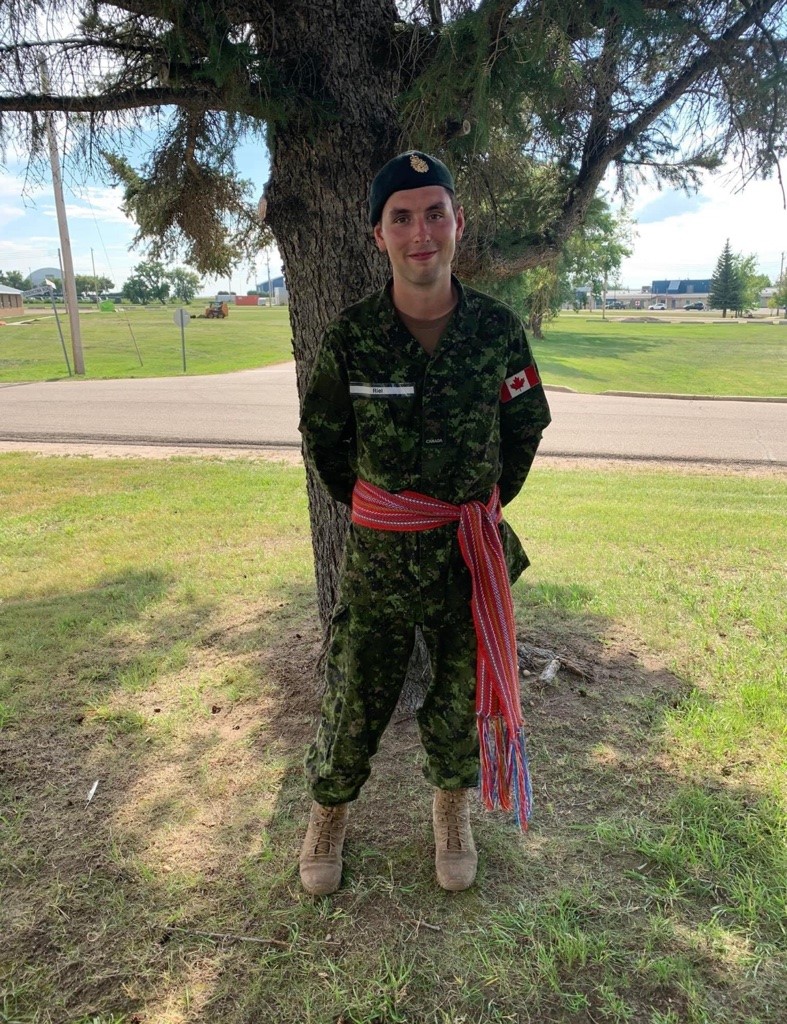
“My Spirit Name, Grey Eagle Wing Man, gives me strength and guidance in life,” he said. “Carrying my Spirit Name gives me another way to connect with my culture and I’m honoured to have it.”
The Bold Eagle Program prepared Cameron for his Depot experience. He felt ready to be away from home and make his dreams of joining the RCMP come true. Cameron feels privileged to have made some wonderful, lifelong connections at Depot and enjoyed working together to overcome the challenges and opportunities of the training experience. However, there was one part of his Depot experience that was completely unique to Cameron and his family.
Depot: Steeped in Canadian History and a Significant Place for Cameron’s Family
In November 1885, Louis Riel was executed by hanging at the old Regina Court House, which sat on what is now the site of Depot, the RCMP’s training academy.
Stepping foot on the grounds of Depot, Cameron was filled with mixed emotions knowing what that location means for his family. When they gathered at Depot to celebrate Cameron’s graduation, they took the time to hold a traditional ceremony and spread tobacco where Louis Riel was executed.
“It was a surreal and emotional experience. We honoured him and the land in ceremony, where I spent my training and achieved one of my greatest accomplishments,” said Cameron.

Starting his career in Thompson, known as “The Hub of the North” in Manitoba, was Cameron’s first choice. Thompson is located in Treaty 5 land, on the traditional territory of Nisichawayasihk Cree Nation (Nelson House), which is located about 45 minutes west of Thompson. Cameron’s fiancée, Rachelle, is a proud member of Nelson House and grew up in Thompson and Cameron felt an immediate connection to the community.
First Lessons as an RCMP Member
Something he has learned since being on the job is that balance between personal and work life is key to success and happiness.
“It important to balance personally, emotionally and spiritually,” said Cameron. “Being in Thompson, I can connect more to the community through my fiancée’s family, and I do not feel isolated or disassociated. We take opportunities often to visit with family and explore the land. Those connections are so important.”
Thanks to a wonderful field trainer, Cameron spent the first six months on the job absorbing and learning everything he could. He is also extremely grateful for the wonderful team of colleagues at the Thompson RCMP Detachment who show up every day with the goal of making a positive impact on the community and the individuals they serve.
Whenever he has the opportunity, Cameron takes the time to be out in the community connecting with people, attending events and being visible. It is important that police officers are seen as positive role models and people who are there to help, especially in a community with a large indigenous population.
“Historically, the relationship between the RCMP and Indigenous people has not been the most positive. I understand this and I know this is a challenge,” said Cameron. “My goal is to change people’s outlook. I want them to see past my uniform. As an Indigenous Member of the RCMP, I strive to be a liaison between the police and the community and to break down barriers and stereotypes. I want to be someone who they trust and someone who they know is here to help.”
Cameron is determined to make a difference and follow in the footsteps of his ancestors, and in just a short time on the job, it is evident that he is doing just that.

Lost But Not Forgotten: Remembering the Lost Patrol 114 Years Later
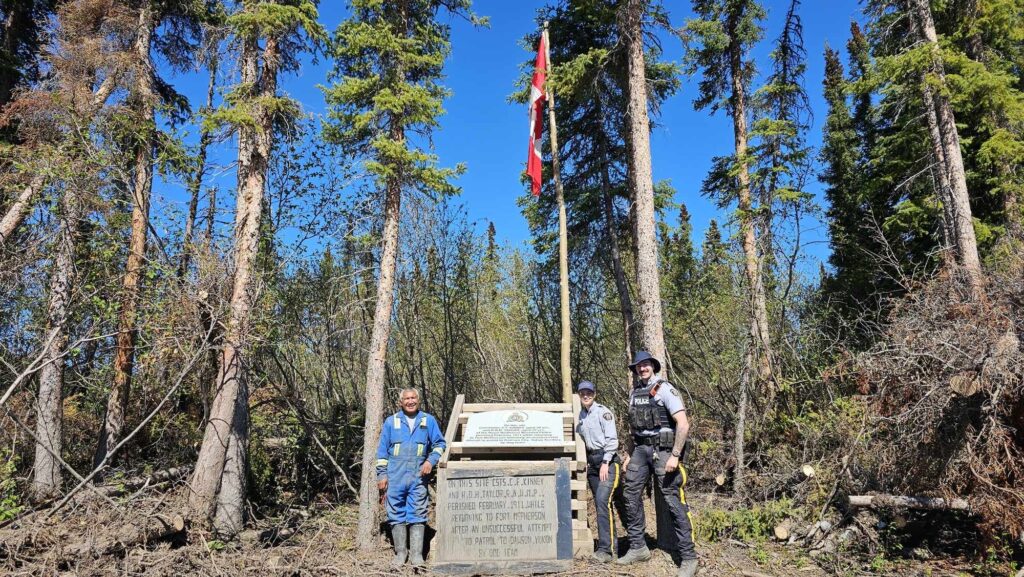
Over 100 years ago, a remote area in the Northwest Territories became the centre point of one of the largest single-event loss of life for on-duty Members of the RCMP, called The Lost Patrol.
Even 114 years after The Lost Patrol, Members in the Fort McPherson RCMP detachment in the Northwest Territories remember these four Fallen Members, whose story of fateful struggle in the bitter winter cold echoes over a century.
The Lost Patrol: Setting Out
Only four short days before Christmas 1910, four Members of the Royal Northwest Mounted Police, the precursor to Canada’s modern RCMP, set out from Fort McPherson in the remote Northwest Territories. The goal of the group, which included Inspector Francis Fitzgerald, Cst. Richard O’Hara Taylor, Cst. George Francis Kinney, and Special Cst. Sam Carter was to complete the annual 800-km trip to Dawson City to deliver mail and dispatches.
Equipped with 15 sled dogs and 30 days of food and supplies, the four Members left Fort McPherson on December 21. Previous trips had taken between 14 to 56 days, weather depending, and the team were expected to arrive in Dawson City by the middle of February.
They never arrived.
The Lost Patrol: What Happened?
The trip started as expected. The four Members successfully completed the first leg of the journey. The Members hired a local Indigenous guide to help them through the Richardson Range, which they navigated successfully.
Once through the mountains, their local guide was dismissed, and the Members continued on their own. Unfortunately, the Member acting as guide had only completed this trip once before – and in the opposite direction – and the four men quickly became lost amidst the howling wind, snow, and biting cold.
It wasn’t until the four Members failed to arrive in Dawson City in late February that another patrol was dispatched to discover the fate of The Lost Patrol. Led by Cpl. William John Dempster along with ex-Cst. Frederick Turner, Cst. Jerry Fyfe, and Charles Stewart, a Métis community member from Fort McPherson, the Members of The Lost Patrol were eventually discovered deceased, and the details of their harrowing journey revealed through the journal entries of Inspector Fitzgerald.

Journal Entries Detail a Fight for Survival Against the Elements
By January 12, the patrol was lost, unable to find the creek that would guide them to Dawson City. Still, they pressed on but by this point they had been battling rugged country and the elements for more than 22 days, and supplies were running low.
Six days passed with no progress. The patrol had travelled up and down several streams and creeks, trying to find the right one but to no avail. With only four days of food left, Inspector Fitzgerald wrote in his journal, “My last hope is gone…”
Realizing the life and death scenario the Members were now in, the four Mounties abandoned their patrol and turned back to Fort McPherson, but this journey proved no less treacherous.
As their dwindling supplies ran out, and facing the grim reality of starvation, the Members resorted to eating the sled dogs, and then the leather straps which had once harnessed the dogs to the sleds.
Unfortunately, with temperatures colder than –40 degrees Celsius, and suffering from starvation and exhaustion, eventually the Members succumbed to the elements and died, only 40 kilometres away from Fort McPherson. First, Csts. Kinney and Taylor perished. Inspector Fitzgerald and Special Constable Carter continued on, but died only a few short steps away from their fellow Members. Today, memorials exist in both sites to pay homage to these men.
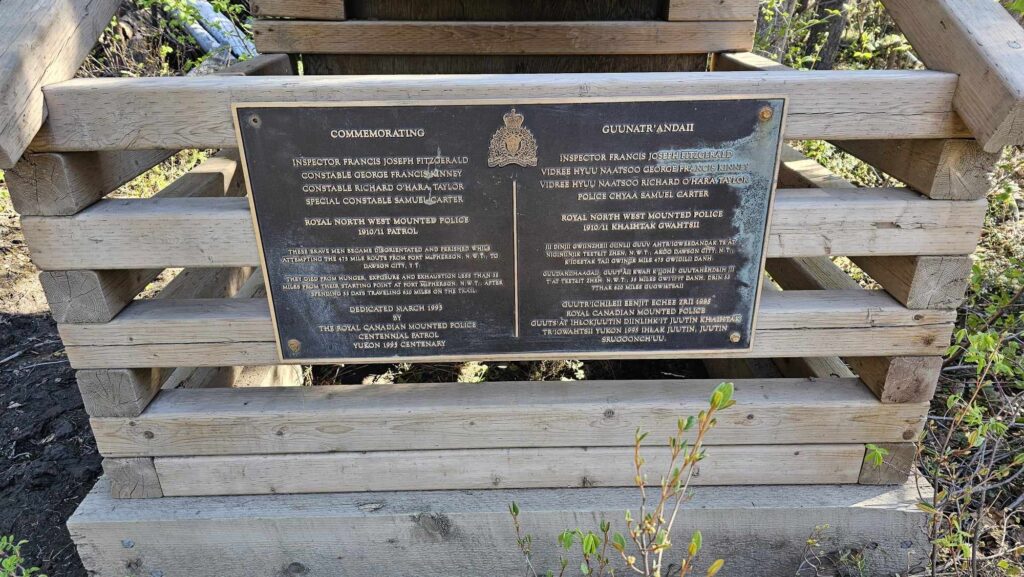
Maintaining Memorials Today for the Members of Tomorrow
Even though the events of The Lost Patrol happened over a century ago, Members of the Fort McPherson RCMP detachment still remember and honour these four brave officers.
Every year, Members in G Division, or the Northwest Territories, look after the memorial sites. Across the Northwest Territories, there are 28 different memorials, and eight in the Fort McPherson area alone.
The desire to remember the Fallen and those who came before is critically important to the Members in the area, including two current officers deployed to Fort McPherson, Cst. Riley Gould and Cst. Melissa Richard.
As Riley says, “I came from a military family and so it’s something you grow up with and it’s no different with the RCMP. It’s part of your history, it’s part of where you come from, and so it has to be a part of where you’re going. If you let those names fade away, how can you carry on that legacy? When people give that sacrifice in the name of something they believe in, it’s something you need to honour.”
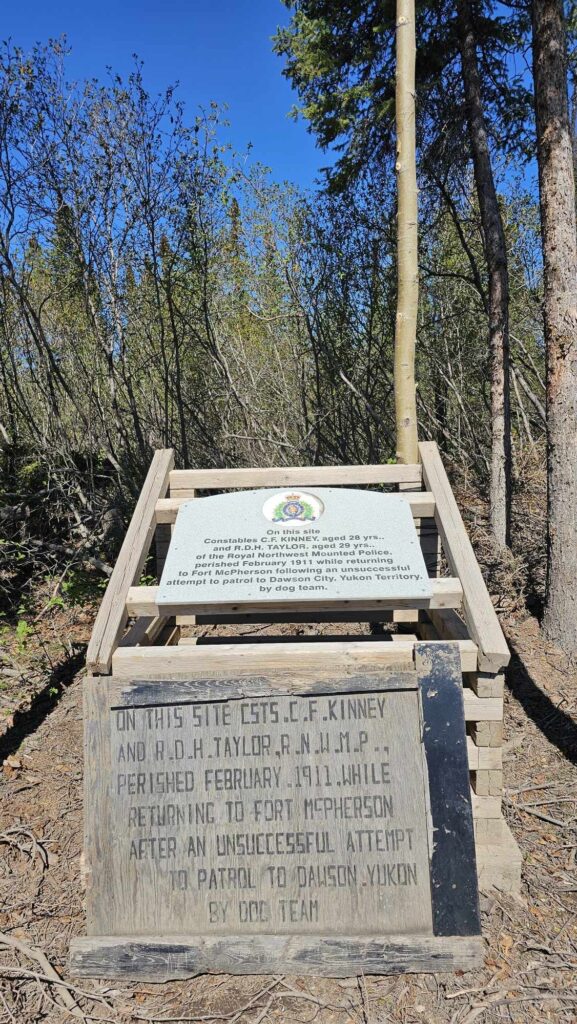
The sentiments were shared by Melissa: “Remembering the history is something you want to take into account because we couldn’t have done it without the people that were here, and if you forget that history, you forget that bond and it’s important to keep that memory alive.”
Local Guides and a Little (ok, a lot of) Elbow Grease
Maintaining these sites isn’t easy, though. For one, finding them can be tricky, and with limited tools and resources on hand, sometimes having a local guide is best. For Riley and Melissa, they relied on local knowledge and some DIY help to spruce up The Lost Patrol memorial in June 2024.
“So many of these folks know the place like it’s the back of their hand,” says Riley. “It’s pretty cool to see the extent of the local knowledge out here. It’s part of their history, all the information about where these sites are and what happened comes from the community.”
Riley continued, “We have some tools kicking around the office – branch cutters, hand saws, that kind of thing. And if that’s all we had, we would have been there all night, but the guide knew what to expect and brought chainsaws.”
Once Riley, Melissa and their guide Lawrence – a local Indigenous man – made it to the area of The Lost Patrol memorial, the first thing they had to clear out was the overgrowth of willows that had claimed the site. Historic levels of flooding in the years earlier had left substantial damage – the flagpole at the memorial had been completely washed away. Breaking out the guide’s chainsaws and other tools, Riley and Melissa were able to clear away the willows, mud, and other overgrowth. They even managed to make a new makeshift flagpole from a big tree, dug into the mud with a new flag tied to the top to mark the site.
“We found part of [the old flagpole] in the mud bent right in half. The flag was stuck buried in the mud and we had to cut it down. We brought it back to the detachment and will keep it here, and installed a new Canadian flag in its place,” Riley explains.
With the work complete for this year, the Members left the memorial in a new, clean, and well-maintained state for future generations of locals and visitors to see and pay their respects.
Serving in the North: Rugged and Rewarding
It’s not just about memorials, rugged landscape, and local knowledge for Members in the North. Serving in the North provides experiences that few other Canadians get. And Riley and Melissa are always keen to talk about it.
“Back in the age of the NWMP those were some hard dudes out there,” says Riley. “They were survivalists. But by no means is it limited to that branding today. Now anyone can work up there, you don’t need that extensive knowledge of camping or bushwhacking. It can be for everyone and can be a learning experience. Fort McPherson is staffed with a lot of folks from Depot and after two years you come out a very well-rounded Member.”
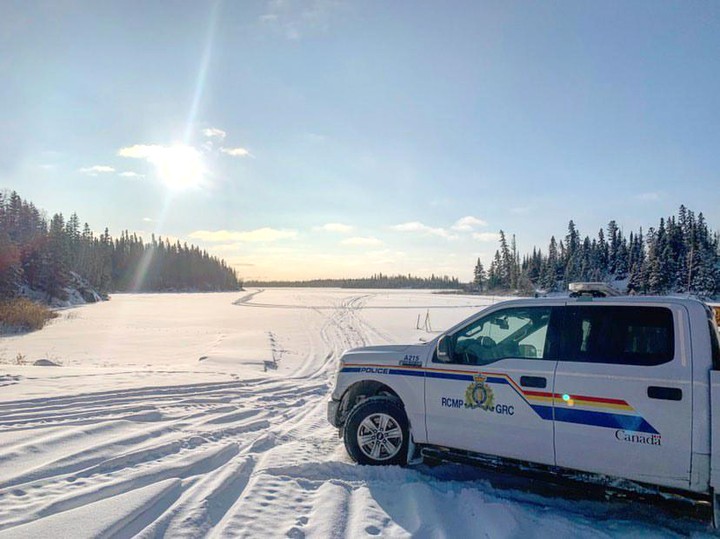
“I love that we’re getting to talk about the North in general and this environment. I think most Canadians forget that these places exist, or know they exist period,” says Melissa. “There’s so much strong Canadian and Indigenous history – the people who live here and have lived here are very real, and I’d encourage people to take the time; to read about it, learn about it, or hear the stories and that local knowledge. It’s like nothing else in the entire world.”
While the events of The Lost Patrol happened over 100 years ago, the legacy of their bravery and drive echoes to today – an echo heard by the Members who serve Fort McPherson and those who call the area home: visitors, Members, and locals alike. Because remembering the Fallen has no expiration date.

The thin blue line in Canada: a symbol of unity, sacrifice and commitment

The thin blue line (TBL). You’ve seen it on flags, bumper stickers, patches, and tattoos. Do not mistake it as just another symbol, however. For Canadian law enforcement, it’s a badge of honour that signifies unity, sacrifice, and a steadfast commitment to justice. While it’s true that the symbol has faced recent controversies, they should not overshadow the TBL’s long-standing role as a beacon of solidarity and honour. Let’s dive into the history, the significance, and the controversies surrounding this iconic symbol.
The origins: where it all began
The concept of the TBL has a rich and complex history. Its roots can be traced back to the 1854 Battle of Balaclava during the Crimean War, where a British infantry regiment stood as a “thin red line” against a Russian cavalry charge.1 However, its modern interpretation as a symbol for law enforcement was popularized in the 1950s in the United States to describe police as the “blue” line of officers standing between chaos and order.2 In Canada, it’s been used by various police services as a sign of solidarity among officers and is often seen on patches, decals, and even flags.
Why it’s a big deal for law enforcement
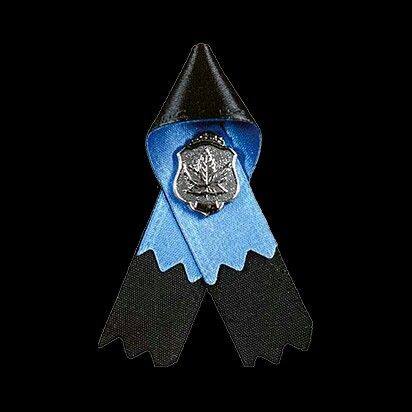
For the law enforcement community, the TBL symbolizes the unity and camaraderie among officers. It’s a symbol of sacrifice, strength, and commitment.3 In Canada, the TBL has been used in particularly poignant ways, such as commemorating Fallen Members. The TBL in these instances serves as a visual tribute to the bravery and sacrifice of those who lost their lives in the line of duty.4 It also serves as a reminder that law enforcement is the line between society and anarchy, a sentiment that resonates deeply within the ranks.
Moreover, the Police & Peace Officers’ Memorial Ribbon Society has recognized the TBL’s blue and black Memorial Ribbon as the national symbol of mourning for fallen officers in Canada. The Society is dedicated to honouring officers who have died “in the line of duty” and provides support to grieving families, helping to establish memorials and providing scholarships to the children of fallen officers.5
The thin blue line and mental health
One of the lesser-known aspects of the TBL is its connection to mental health within the law enforcement community. Police officers frequently face high-stress situations, and the symbol serves as a reminder that they are not alone.6 It has been used in campaigns to destigmatize mental health issues among officers, encouraging them to break the silence and seek help without fear of judgment. The TBL, in this context, is a line of emotional support and understanding
The dark side of the line: co-opting by bad actors
Now, let’s address the elephant in the room. In recent years, the TBL has also been appropriated by some far-right and extremist groups. One of the most glaring instances of the symbol’s misuse was during the January 6, 2021 attack on the U.S. Capitol. The TBL flag was prominently displayed by some of the rioters, creating a paradox where a symbol meant to honour law enforcement was used in an act that directly threatened the safety of many police officers.7
This recent association has led some to question whether the TBL has become a symbol of division rather than unity. On the other hand, officers wearing the symbol feel deeply that it’s not about division, but rather a mark of respect for their profession and colleagues. Regardless of differing opinions, blaming the TBL for the deeds of a few bad actors is like blaming the entire Internet for cat memes. It’s tempting, but not entirely fair.
A line worth understanding
Like many symbols, the TBL is laden with history, meaning, and yes, a fair amount of controversy. But at its core, it’s a representation of the unity and sacrifices of law enforcement, which is why many are keen on preserving its integrity. These brave men and women do an often thankless, challenging job putting their lives on the line for others, and this recognition is important. It’s part of their identity and a tribute to the sacrifices made in the line of duty.
Whether you see it as a mark of division or unity might just depend on which side of the line you stand on, but we hope that by learning more about the history and its importance, you’ll come to appreciate the enduring positive values that the TBL represents to those who wear it with pride.
Footnotes
- Wall, Tyler (2019). « The police invention of humanity: Notes on the ‘thin blue line’ » Crime Media Culture. 16 (3): 319–336.
- Maurice Chammah et Cary Aspinwall, (2020), The Short, Fraught History of the ‘Thin Blue Line’ American Flag, Politico.
- Chef Joel F. Schults. « That Thin Blue Line – What Does it Really Mean », National Police Association.
- Caryn Ceolin, « Controversial version of Canadian Flag Displayed at OPP Union Building », CityNews Toronto, 2020.
- Société du ruban commémoratif des policiers et agents de la paix (2023). Page d’accueil. Page consultée le 10 octobre 2023, à l’adresse https://www.memorialribbon.org/fr/.
- Cuadro, N. C. M. (2019). The thin blue line and mental health: Mental health stigma among law enforcement and its impact on suicidality among police officers.
- New York Times (2021). « How the Thin Blue Line Flag was Flying at the Capitol Siege. »

Nine things you might experience as a recruit at Depot, the RCMP’s training academy
Located in Regina, Saskatchewan, Depot Division (pronounced Deh-poh, not Dee-poh) is probably one of the most famous police training academies in the world. As one of the oldest RCMP divisions, Depot has been training prospective policing recruits into fully fledged RCMP Members since 1885.
With that kind of reputation and longevity, this training academy has built several conventions and best practices that a recruit-turned-cadet might get to experience, so we did some digging to find out what the Depot experience looks like.
Here are nine things you might experience as a recruit at Depot, straight from insider sources:
Depot is home to the oldest building in Regina.
This storied institution isn’t just one of the oldest training grounds for police in the world, it’s also home to the historic chapel, the oldest building in Regina. Built in 1883, the chapel is famous for its beautiful stained-glass windows. Learn more about the chapel and its connection to the RCMP here.
You’ll become closer with your troop mates than you think.
At Depot, troops must work together. From sharing accommodations to undergoing regular inspections, cadets learn the importance of attention to detail, policy adherence, and proper hygiene—because teamwork makes the dream work! But that’s not all: as a cadet, you’ll take on a range of exciting duties, from being a Troop Commander to representing various skills. These responsibilities will sharpen your planning and organizing skills while fostering shared accountability for the team’s success. From our insider:
“I have so much respect for the cadets that come through training. There’s a lot of criticism about police work, but they are still showing up and putting in the work. They have an incredible attitude toward doing the job, and they want to help people. It was never easy to join, but now there’s a lot of negative media. They are all such good people with big hearts who are here to make a difference, and it shows from the first to the last day at Depot.”
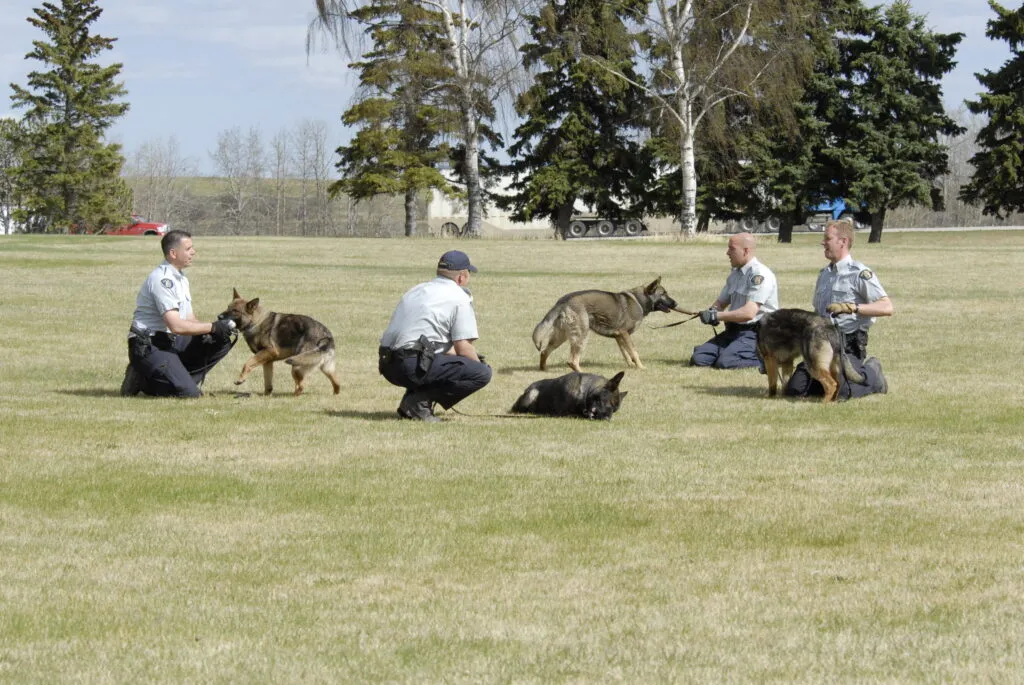
The Regiment.
Training, uniform, equipment, experience, customs, and traditions foster a sense of belonging among cadets at Depot. These shared elements unite them as an entity with a shared purpose while respecting individual differences.
Sticky Bun Thursday.
During training, every troop gets to go to the mess (food hall) once in the late morning on a random Thursday and get sticky buns together. Usually, instructors plan this during a particularly hard week of training, making this is a well-earned treat for the cadets.
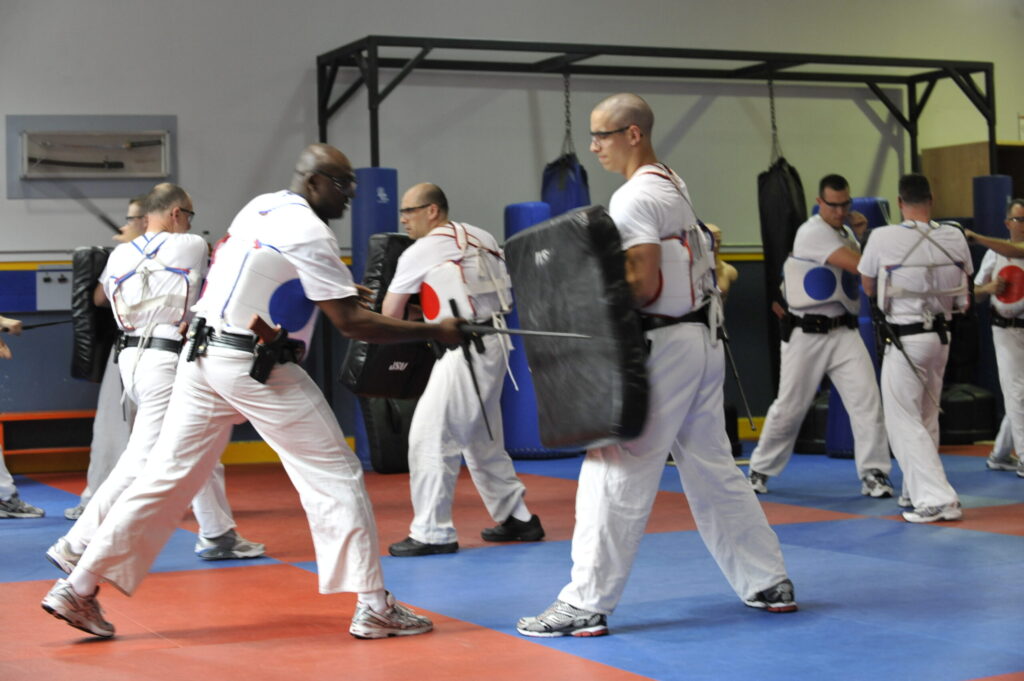
There is a fitness testing component you must pass to graduate, and it’s not easy.
From the eight-kilometer timed run to combat rings, RCMP cadets are faced with grueling fitness testing throughout their training. Troops encourage each other along the way and sometimes the facilitators and instructors join in to make it extra competitive.
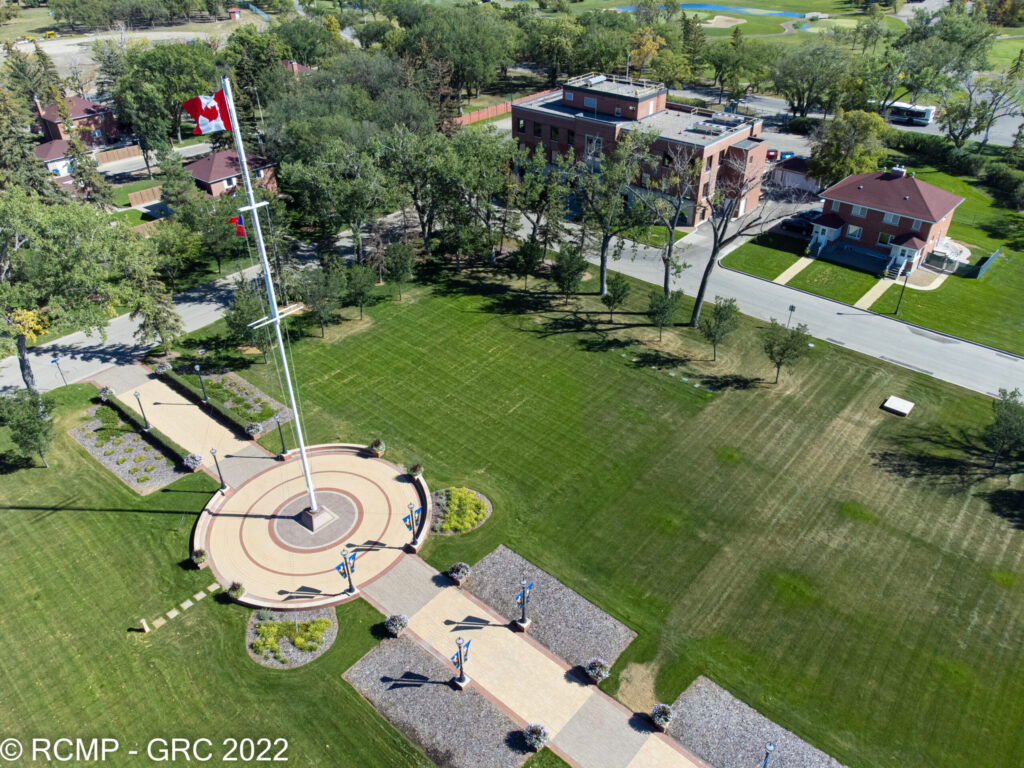
Depot’s facilities mimic a small town to make the training experience as authentic as possible.
With a huge campus, cadets have access to extensive facilities, including simulator training, firearms training, and driving training. There are even houses and a mall where the cadets can carry out training exercises that mimic real-life situations called in by real dispatchers.
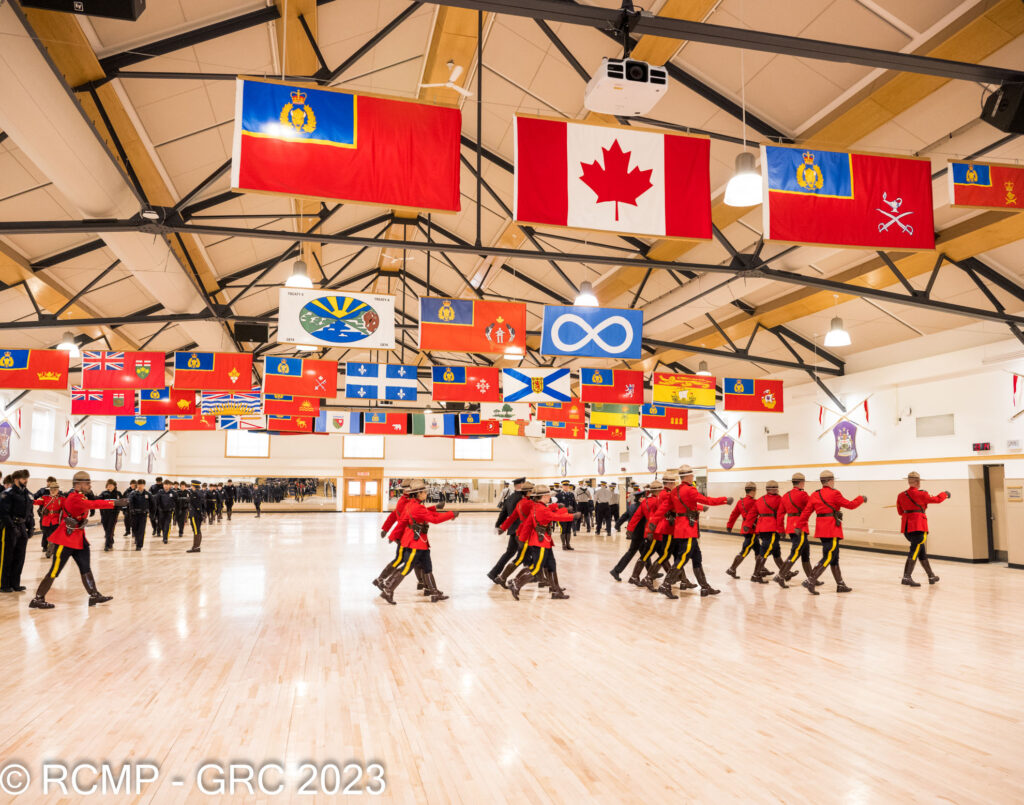
“Drill”.
Drill, also known as the “Dismounted Cavalry Drill” is a transformative part of training as an RCMP cadet at Depot. Cadets master foot drill, responding to commands, and executing precise movements. This builds self-control, composure, and resilience—vital skills for RCMP officers. Effective communication skills learned, and the routine of drill training brings stability and support, teaching cadets to handle challenges with a calm and focused mindset.

During training, cadets reach specific milestones and are recognized for their achievements.
Cadets celebrate milestones throughout their training journey, such as receiving marching orders, earning distinctive uniform components, and donning the iconic Stetson. Each milestone signifies increased competence and the accompanying responsibility. Cadets receive the Review Order uniform (also known as Red Serge) before graduation. This iconic attire isn’t just a symbol of authority, it’s also a source of pride and a sign that you belong to the incredible organization, even when things get tough.
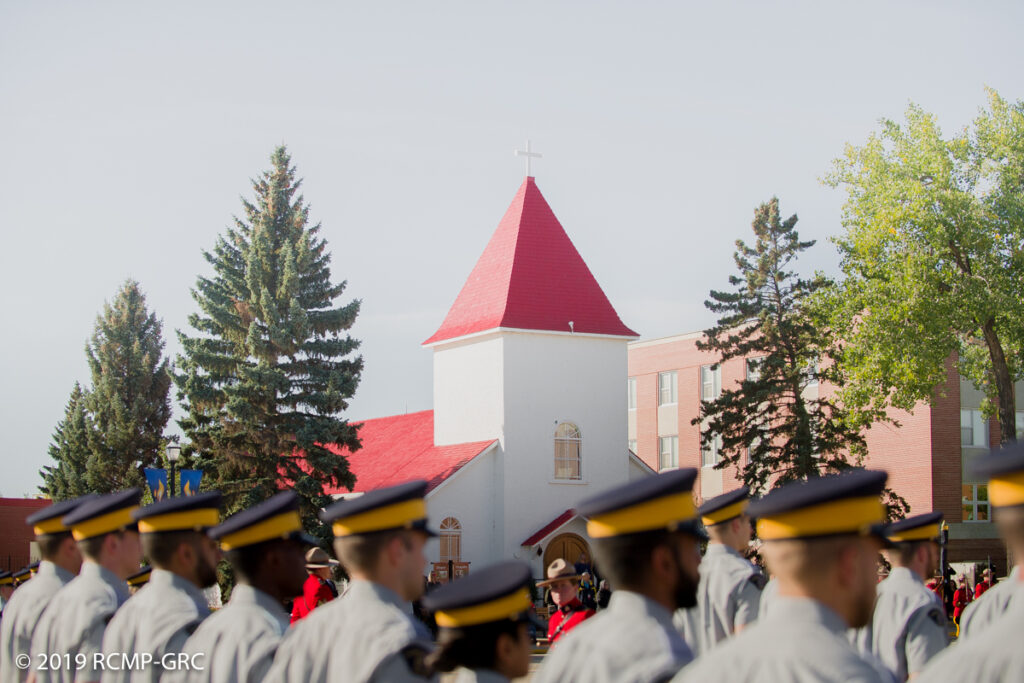
You’ll leave with connections across Canada.
Depot builds lasting connections, and once you graduate and are posted to your first community, you’ll have troopmates living across the country. Take it from our insider source:
“I’m still close with my troopmates and we still talk. Being an instructor now, I probably have my past cadets checking in almost every day. Whether it’s asking each other questions or supporting each other after a hard day, I now have friends all over Canada; I could go to every province and know someone“.
If you or someone you know is interested in becoming an RCMP Member and attending Depot, be sure to check out itstoughbut.ca to learn more.

History of the Red Serge
Much like maple syrup, beavers, polar bears, and frequently saying “sorry”, the RCMP’s Red Serge is an iconic Canadian symbol. Mounties and their uniforms are so well recognized that they have been depicted in several Hollywood films like Rose Marie and the eye-rolling Dudley Do-Right.
While you may be familiar with the uniform, we bet you’re far less familiar with its storied history. Below, we uncover the evolution of the Red Serge into the iconic symbol you know today.
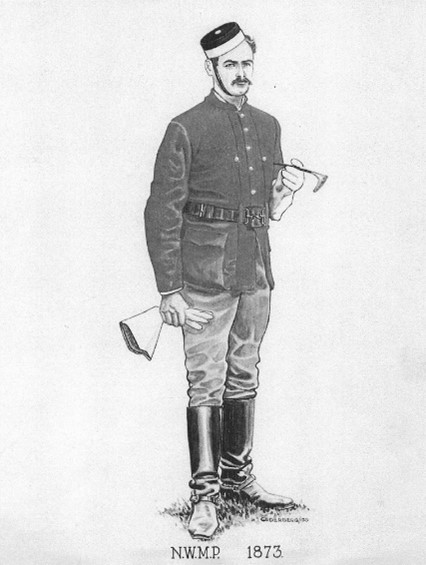
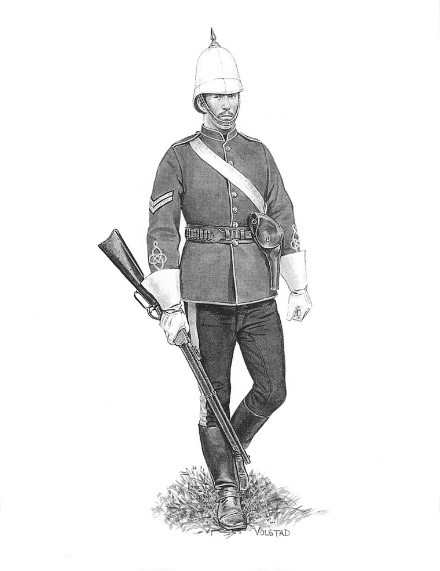
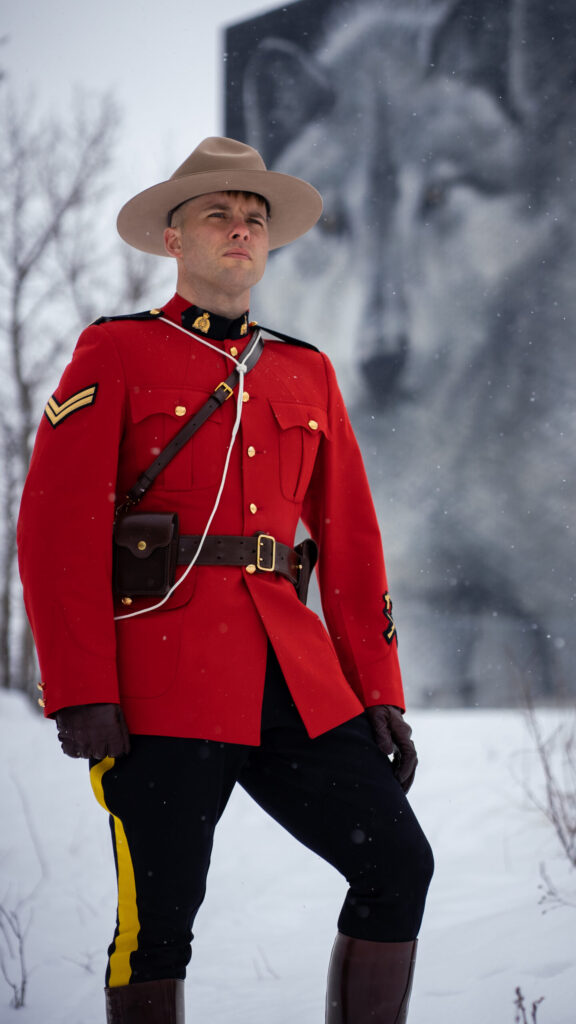
The evolution of the Mountie’s iconic Red Serge through the years.
1873-1876 – Back when the Royal Canadian Mounted Police was called the North-West Mounted Police (NWMP), the Red Serge was introduced as part of their standard uniform. The uniform originally consisted of a Norfolk jacket (a loose, belted, single-breasted tweed jacket with box pleats on the back and front), worn with a belt or half-belt.
1876-1886 – Despite the Norfolk jacket being comfortable and practical for shooting, it was replaced by two scarlet tunics only three years later. A more elaborate jacket was ordered for officers, but they did not wear it frequently. Despite these changes, they maintained the scarlet colour we know today, partially to distinguish Canadian police from the US Army’s blue uniforms (not to mention, the significance of red coats in the British military culture!)
1886-1890 – It was ten years later that NWMP dress regulations simplified police officers’ full-dress based on the British and Canadian dragoon military regiments. By this point, the Red Serge was well-established and recognized as an icon of the NWMP, despite being often mainly worn for dress and garrison wear. Regardless, certain constables still opted to wear it on field duty well into the early 1900s.
1904-1920 – A dark blue version of the Red Serge was adopted in 1904 as an alternative wear for regular duties. Members wore a mixture of scarlet, blue, and brown tunics, depending on the circumstance. It was in 1920 that the Red Serge was officially adopted as a dress item, with the brown tunic worn as a standard regular work uniform.
Women’s Red Serge
Throughout these many years of uniform changes, women were not yet a part of the organization. It was only in 1974 that Commissioner M. J. Nadon announced that the RCMP would begin accepting applications from women for regular policing duties.
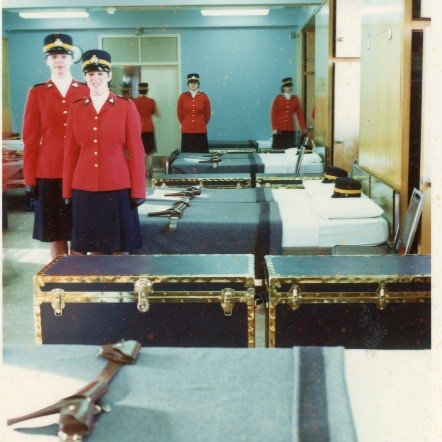
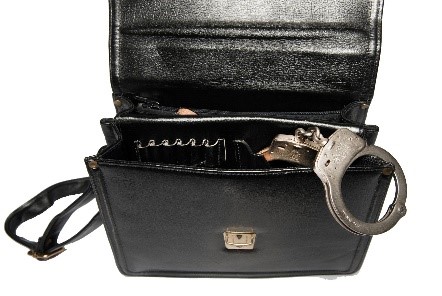
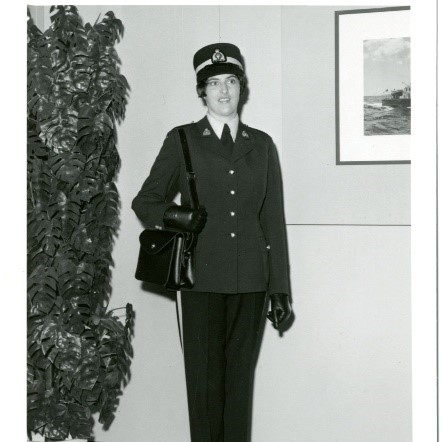
The original RCMP uniform for women included pillbox hats, purses and even high heels!
What do most women keep in their purse? Keys, a wallet, a pack of tissues, a compact maybe? Most people wouldn’t say an RCMP-issued revolver! This used to be the case for female RCMP officers, when the original kit issued for women included pillbox hats, purses, and high heels. Unsurprisingly, there were challenges removing the revolver from the special holster inside the purse, as well as other operational concerns (can you imagine chasing a suspect in high heels?!)
1990s and beyond: In the early 1990’s, all RCMP Members were issued the same kit and clothing with the exception of the ceremonial dress. Women’s uniforms included a skirt and red jacket. Finally, two years later, women started wearing the Red Serge, Stetson, high browns, and breeches like their male counterparts.
Throughout the RCMP’s 150 years of history, the Red Serge has remained a strong Canadian symbol, recognized world-wide, and will continue to be for many years to come.